
An Insight into Social Isolation
In a borough where one in six residents live with mental health issues and one in five live alone, many Age UK Islington clients experience social isolation.
Hear how Beattriz, Social Prescribing Link Worker, and Maria, Navigation Team Leader, help local residents overcome day-to-day challenges and build social connections. They also provide a valuable insight into the factors that contribute to social isolation.
While the article highlights the different challenges faced by their respective client groups - requiring distinctly different approaches to help people access local, informal support networks - it also clearly shows the value of the compassionate professional support they provide in reducing social isolation.
How does the Social Prescribing Team support clients through social isolation?

Beattriz Castro, Age UK Islington Social Prescriber, talks about her experience as a social prescriber based at Mildmay GP surgery.
People often feel lacking in emotional support
“Or even if they have support in place, such as a help from a care agency, people will often say, ‘someone helps me with practical things,’ but when it comes to emotional support, they feel they don’t have meaningful connection. And if they’re feeling low or stressed, they can feel like they’re putting a burden on their friends and family, so it’s important to show that there are other ways and other groups where they can make new connections.”
Transport costs can be a barrier to social connection
“Financial barriers can also prevent people from participating. “Even something as simple as a bus trip can be too expensive. So we work with local organisations that offer free or low-cost activities and provide inclusive environments. There are even organisations like All Change Arts who offer art groups, trips to museums and galleries for older people, young women and refugees who can reimburse travel costs.”
Tailoring social support to an individual’s needs and cultural requirements
“Islington is incredibly fortunate - there are huge numbers of community-based organisations offering activities across the borough. Our role is to know what’s available and help clients find the right fit for them. Tailoring support is key as everyone’s interests, cultural needs and language requirements are different. It’s about making sure each person can access something meaningful and achievable for them.”
The value of prescribing free resources and activities in difficult times
“A social or wellbeing offer can also be really helpful to improve someone’s wellbeing when they’re dealing with difficult circumstances that can take a long time to resolve. Whether it’s dealing with anti-social behaviour, waiting for a housing transfer, or other long-term challenges, none of these things are going to be sorted overnight. In the meantime, we can help people access community activities, creative projects, or even an affordable community sauna to give them something positive to focus on and help reduce stress. It’s about providing support that makes a difference here and now.”
Providing an emotional uplift and temporary relief
“The community sauna can also be very helpful not just in terms of doing something emotionally uplifting, but also in helping to provide relief from chronic pain. Visiting a sauna and cold plunge pools over ten free sessions can make a real difference to clients whilst on the waiting list for a physio or other intervention.”
Working with colleagues at Age UK Islington and in GP surgeries
“Social Prescribers help clients to navigate all sorts of problems, and refer to specialist support from statutory services, or sometimes to colleagues in Age UK Islington for more intensive longer-term support. Discussion with GP colleagues and other team members is invaluable to work out a way forward for some clients.”
The feedback that makes it so worthwhile
“Amongst the package of support we provide, the impact and value of sharing free community resources and activities has been remarkable. It’s so nice when people go out of their way to come back and tell us how much support has helped. That’s the great thing about Social Prescribing being a bridge between the statutory and community services”.
How does the Navigation Team support clients through social isolation?
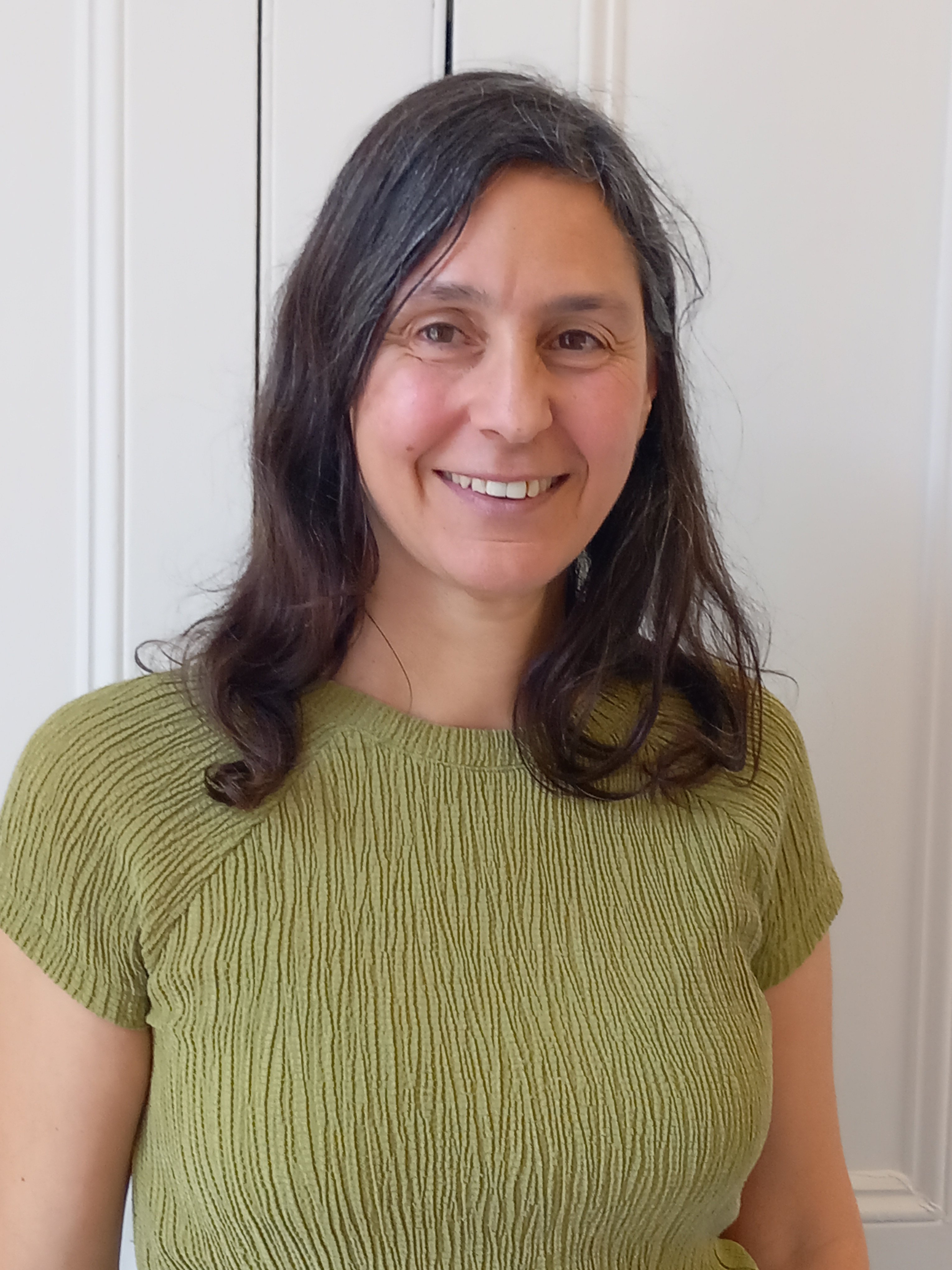 Maria Azzouzi, Age UK Islington, Team Leader - Navigation, talks about her experience of supporting clients who are socially isolated.
Social connection can feel out of reach for some clients
“Social isolation is often at the heart of why someone might need support from the Navigation Team. Many of our clients live with complex, chronic health conditions and don’t have friends or family to help with day-to-day challenges. We can support them to prevent their electricity from being cut off or help resolve issues with a landlord."
"But when it comes to building a social network, clients are often so overwhelmed by their health and other pressures that the idea of going out to meet people can feel completely out of reach.”
Lack of confidence and mental health needs present barriers to social connection
“Even with practical support in place, small steps toward social connection can feel daunting. Something like going to a local group or just attending a coffee morning can be a big deal if someone hasn’t been out for a while. A lack of confidence, anxiety, or mental health needs can make it very difficult for clients to start getting out to meet people.”
Encouraging first steps in what can be a long journey
“In these situations, the team works closely with clients to find activities that are welcoming and manageable. Sometimes we also link clients to counselling or other mental health support. Tackling isolation can be a long journey, but we help people take that first step.”
Physical health challenges and finding ways to overcome mobility issues
“Physical health challenges can add further barriers. Chronic pain, mobility issues, or fatigue can make attending activities exhausting. If mobility is an issue, we might help someone apply for a taxi card, a blue badge or explore other transport options.”
"For clients with dementia or multiple health conditions, a referral to social services such as a day centre that provides transport is sometimes a solution. For other clients, a befriender visiting them at home might make a world of difference.”
The value of support and partnership work
“I find the work very rewarding because you can see the difference it makes to client’s lives. Helping them to feel more confident and a bit better able to do things for themselves, and safer can make day today life feel brighter and less overhwelming.” “Working as part of a wider multidisciplinary team, alongside social services, GPs and other professionals is really satisfying and helps us find the best outcomes for clients.”
How does the Navigation Team differ from social prescribing when it comes to
social isolation?
Maria Azzouzi, Navigation Team Leader, highlights differences in tackling social isolation between Social Prescribing and Navigation.
“The main difference is the complexity of the clients’ needs. Navigation clients often have more complex health issues or less capacity to manage them independently. The barriers to social connection are often greater and the scope to make new social connections is not impossible, but more limited or can take longer.
“Where social prescribing might signpost someone to a service, we make the referral and stay involved to ensure they are connected. The navigators discuss clients in multidisciplinary meetings, the integrated network, where GPs, social services, and mental health professionals are present. This allows us to coordinate support across different services. Our goals for clients are similar, but we typically hold on to clients for longer and clients often need more hands-on support to access services and activities.”
Working in Islington
Islington has high levels of mental ill health and social isolation, with around 1 in 6 adults diagnosed with a mental health condition and nearly two-fifths of residents living alone. The borough has the highest rates of depression and serious mental illness in London, compounded by high poverty levels, with 34% of older adults in income-deprived households.
Age UK Islington supports local residents aged 18 and over who are experiencing difficulties with day-to-day issues, from financial worries to housing challenges. We help people find practical solutions, offer support with form filling, and make supported referrals to specialist organisations. We also help individuals build social connections to reduce isolation and improve overall wellbeing.
To refer to Age UK Islington please contact Age UK Islington on: 020 7281 6018 (Monday to Friday 9am - 5pm) or email gethelp@ageukislington.org.uk