
Mindsong: Music is Medicine for the Brain!
Published on 13 March 2026 09:26 AM

Reduce the risks of dementia by making music
Guest blogger: Dr Maggie Grady, Director of Music Therapy, Mindsong
Recent research reveals that 40% of dementia cases are preventable through proactive lifestyle changes. Whilst general advice on reducing your risk focuses on eating healthily, regular exercise, reducing alcohol intake and stopping smoking, music-making also has a part to play. Dr. Maggie Grady from Mindsong explores how music can serve as a vital ‘natural medicine’ for the brain.
A whole-brain workout
Singing, playing, or listening actively to music is good for our brains!
From research using Magnetic Resonance Imaging scans (MRIs), scientists have found that when we take part in music-making, every area of the brain they are able to map is engaged, making music a whole-brain workout. Participating in music is a great way of building our cognitive reserve, helping to prevent the onset of a dementia.
For people already living with dementia, engaging in music is an excellent way of increasing cognitive stimulation. Music can remain accessible for a person throughout the different stages of dementia, even at an advanced stage and at end of life, precisely because it reacts in the brain in so many different areas. Even when verbal communication has been lost, musical pathways often remain open, allowing for moments of profound connection and clarity.
Mindsong Impact: Our Music Therapy at Home service supports people living with an advanced dementia through to the end of life, connecting with the person through music. For an example, please see our film.
A physical workout
Singing in particular is a significant physical exercise, encouraging deep, diaphragmatic breathing and exercising our lungs as well as our core, vocal, and facial muscles. Standing or sitting well for singing, along with the act of singing itself, can help to increase the flow of oxygen throughout the body and brain. It’s a physical and cognitive workout which can help towards reducing your risk of developing dementia.
Social connection
One of the wonderful things we see at Mindsong through our singing groups and music therapy sessions, is the connection that music can enable from one person to another. Particularly for a person with advanced dementia, music can sometimes be the only way to connect.
Studies have shown that people who experience loneliness or isolation are more likely to develop depression, which in turn, has been identified as a risk factor for dementia. Music is a great social connector, as anyone who has ever sung in a choir, or played in a band or orchestra, will testify. When we make music together, we synchronise in beat, rhythm, and melody; we are ‘in harmony’ with each other. This can result in feelings of closeness and connection.
Mindsong Impact: Our Sing 2 Remember groups are a great example where people come to sing together and afterwards, chat over a tea or coffee. View our film about Sing 2 Remember.
Benefits for mental health
As human beings, we are able to experience deep emotional connections through music. Research shows that music stimulates systems in the brain that process emotions, as well as those that control and process memory, creating opportunities for us to be deeply moved by music, and to create strong musical memories.
Engaging in music, listening and music-making, can increase our feelings of wellbeing; music triggers reactions in areas of the brain that are involved in the release of dopamine (the brain’s reward chemical), whilst simultaneously lowering cortisol, the stress hormone. By making time for music, you aren't just listening to a tune—you’re actively shielding your brain from the wear and tear of daily life.
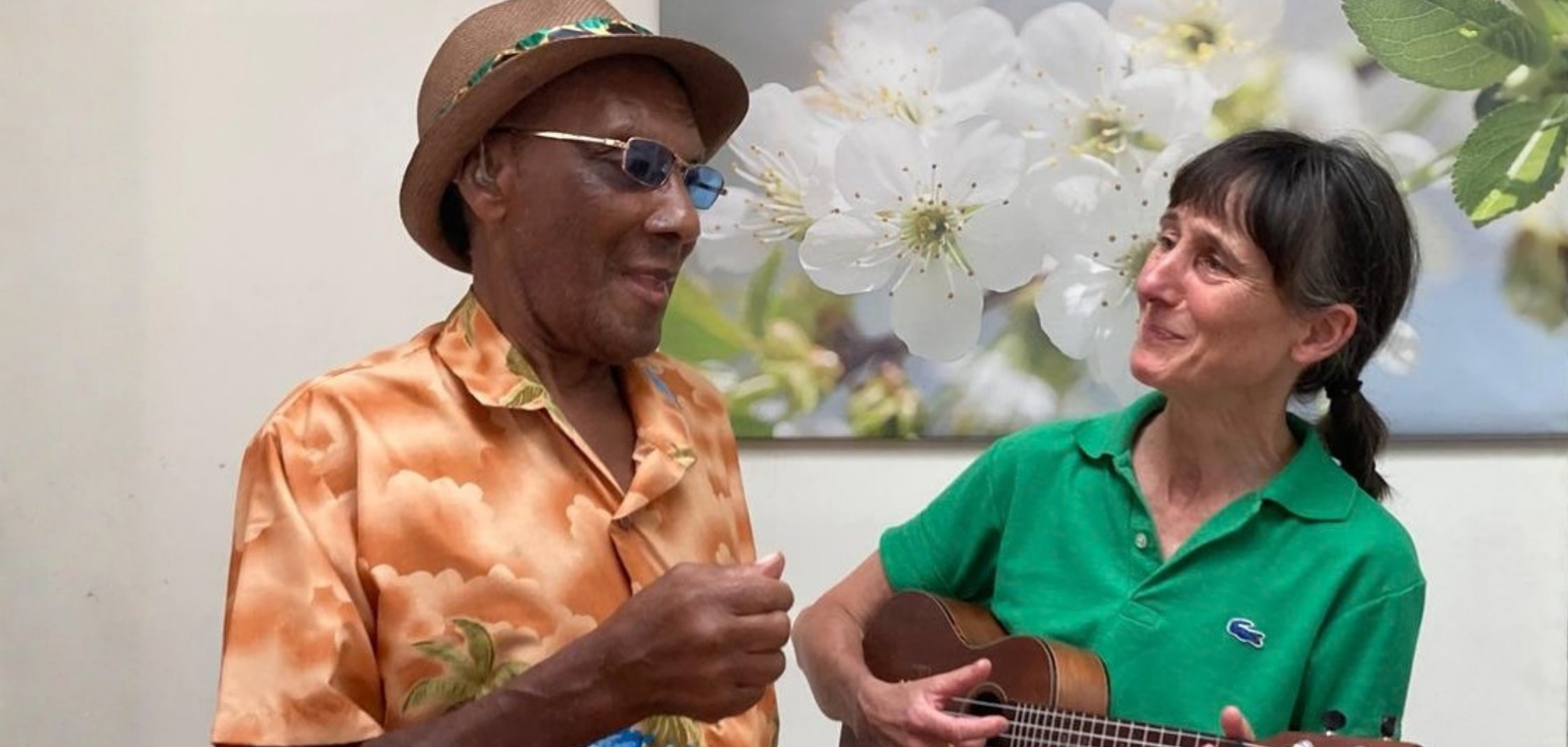
In our singing groups and music therapy work, we see people connecting through music, engaging with smiles, eye contact; singing, playing, dancing and often laughing together. This connection through music brings self-expression, creativity, and joy - not just to the people involved, but to anyone nearby! It’s infectious!
Conclusion
Whether you are singing, playing an instrument, or simply listening with intent, engaging in music is good for your wellbeing, your brain and your physical health. It can be a joyful way of maintaining deep connection with others. It also provides physical exercise and contributes to building cognitive reserves. If you haven’t already, give it a try to boost your mental, physical and brain health!
For more information about Mindsong, please visit: mindsong.org.uk
References
i. Livingston, G. et al. (2020) Dementia prevention, intervention, and care: 2020 report of the Lancet Commission. The Lancet, Volume 396, Issue 10248, 413 – 446
ii. Levitin, D.J. (2007) This Is Your Brain on Music. New York, NY: New American Library.
iii. Fernández, F. R., Martín, J. I. and Antón, M. A. M. (2023) Depression as a Risk Factor for Dementia: A Meta-Analysis. J Neuropsychiatry Clin Neurosci. 2024 Spring;36(2):101-109. doi: 10.1176/appi.neuropsych.20230043. Epub 2023 Dec 19. PMID: 38111332. [Accessed 25 February 2026].
iv. Alzheimer’s Society (2025) Managing the Risk of Dementia. Available from: www.alzheimers.org.uk/about-dementia/managing-the-risk-of-dementia/risk-factors-for-dementia/depression [Accessed 25 February 2026].
v. Levitin, D.J. (2007) This Is Your Brain on Music. New York, NY: New American Library.
vi. Jäncke, L. (2008) Music, memory and emotion. Journal of Biology [online]. Vol 7 (6) p. 21. [Accessed 12 June 2022].
vii. Levitin, D.J. (2025) Music as Medicine Cornerstone Publishing
We're here to support you.
If you - or someone you care for - has a memory concern, our Dementia, Diagnosis and Memory Support service is here to support you.