London Against Ageism
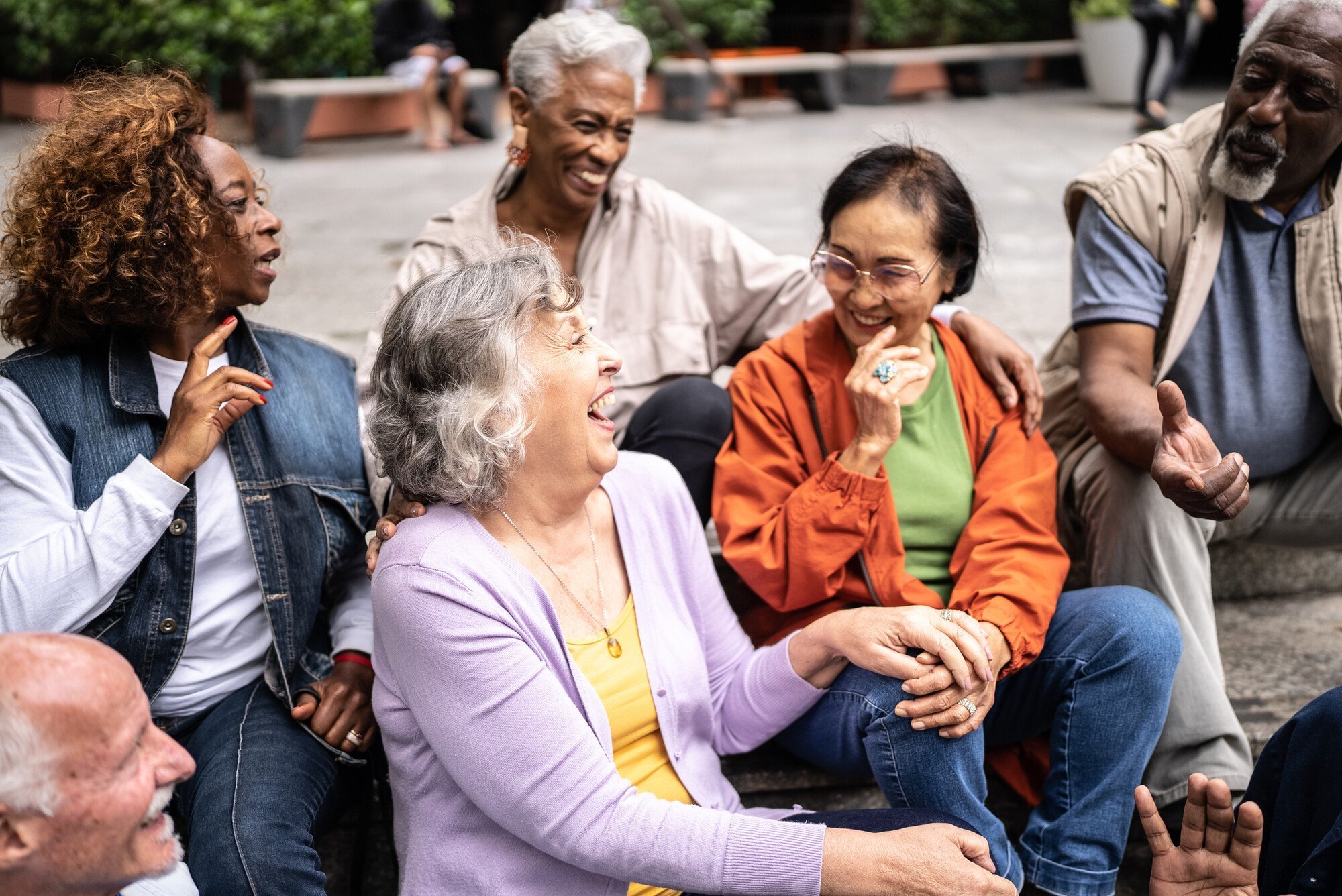
London is the UK’s fastest ageing city, yet ageism remains one of the most overlooked forms of discrimination and it can have a huge impact on people's lives. Whether it’s being dismissed at work, overlooked in healthcare, or stereotyped in everyday conversation, ageism affects thousands of older Londoners in ways that are often invisible.
What is ageism?
Ageism is when people are treated unfairly due to their age. It can be subtle or overt, like being told you “look young for your age” or “you are too old to understand technology.” It can show up at the doctor’s surgery, in the workplace, or even in casual interactions. Sometimes, people don’t even realise it’s happening.
-
Read our press release
Read our press release on ageism in London and the launch of our London Against Ageism Campaign.
Research conducted by Age UK London involving more than 1,300 older Londoners has revealed the scale, complexity, and emotional impact of ageism across the capital for the first time. The findings, show that age-based discrimination is not only common but deeply embedded in everyday interactions, public spaces, and service settings. This is the first time that ageism in any city in the UK has been researched or there has been a focus on ageism in London.
-
Find out the facts
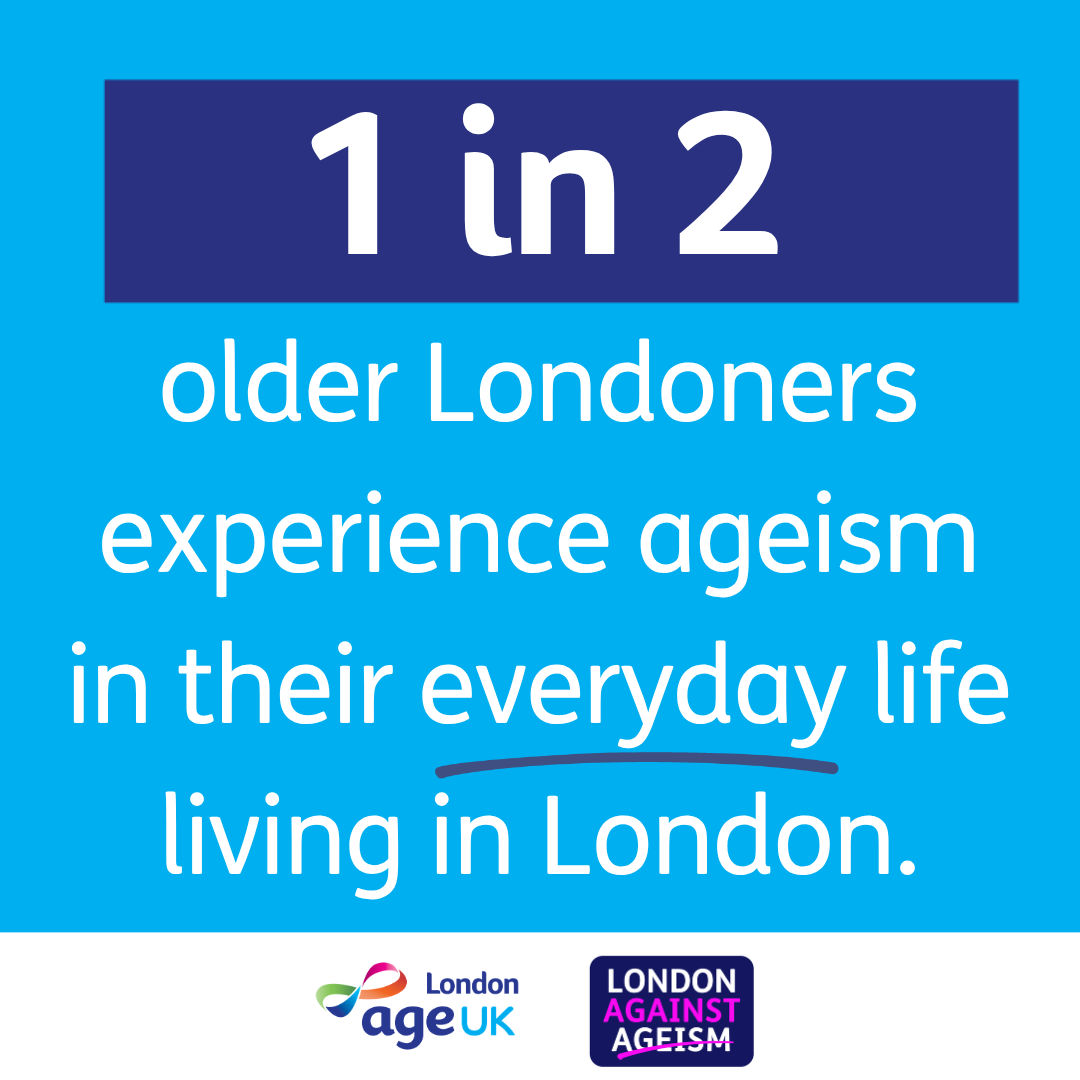
Age UK London's research shows that ageism is a regular experience for most older Londoners with over half of the older people who responded (51%) saying they have experienced ageism and 13% saying it was often or always. The findings show that while constant ageism affects a smaller group, intermittent ageism is widespread, suggesting that ageist attitudes have become normalised in daily interactions.
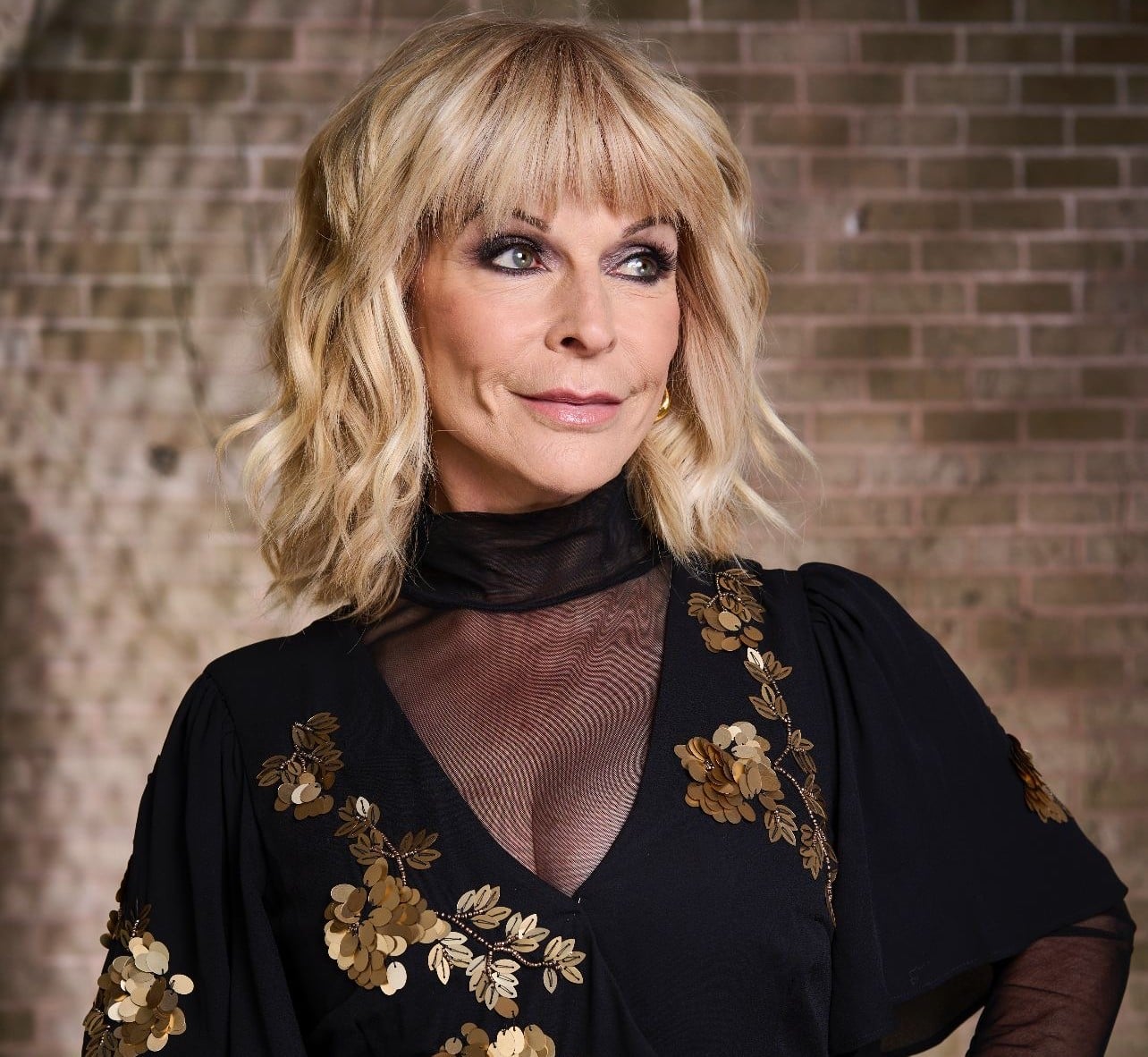 Rock Against Ageism - Fireside Chat Featuring Toyah Willcox
Join us for an unforgettable in-person afternoon with the iconic Toyah Willcox!
Dive into a lively fireside chat where we'll speak out against ageism and celebrate ageless creativity. Don’t miss this chance to hear Toyah’s stories and insights up close and personal!
As part of London Against Ageism, Age UK London's campaign to challenge ageism and celebrate ageing in all its diversity we are pleased to invite you to this exclusive fundraising event.
On the afternoon of 18 November, we'll be welcoming the one and only Toyah Willcox to Cecil Sharp House in Camden for an intimate fireside chat, launching our new Rock Against Ageism series. Doors open from 2.30pm with Toyah taking to the stage at 3.15pm. (Please note seating is not allocated).
As part of the discussion, we'll explore whether ageism has affected her experiences in the entertainment industry and how attitudes towards ageing, especially for women, have changed over the years. It's sure to be an honest, fascinating and thought-provoking conversation.
Above all, this will be a chance to spend an afternoon in the company of a true original: hearing first-hand about a life lived boldly, creatively and unapologetically whilst support Age UK London's work.
To find out more and book visit the booking website here.
Age UK London has launched Mind the Age Gap, a new podcast giving a voice to the lived experiences of older Londoners facing ageism in everyday life. The podcast follows the publication of Age UK London’s recent research into ageism, which revealed that 1 in 2 older Londoners has experienced ageism.
Launched on Age Without Limits Day and funded by the Centre for Ageing Better, the podcast features four older Londoners who share their personal stories of navigating ageism at work, in public spaces, in healthcare settings, and within their communities. Their accounts offer a powerful and human perspective on the findings of the research.
In the episode, listeners will hear how ageist attitudes and assumptions shape opportunities, influence treatment, and impact wellbeing - and what changes are needed to build a more age‑inclusive city.
Mind the Age Gap is available now on Spotify and Apple Podcasts.
What Cllr Maria had to say about ageism
I am Councillor Maria Linforth-Hall, and I celebrated my 80th birthday this August. I still work and continue to help thousands of people in my community. Every day, however, I hear comments or jokes about older people, and this troubles me. Such remarks are unnecessary and dismissive of the contributions older people make.
I believe strongly that a campaign to raise awareness of ageism is very important. Older people have worked hard, contributed to society, and continue to be valuable members of our communities. We deserve to be respected, recognised, and included—not stereotyped or overlooked.
That is why I support AGE UK’s campaign wholeheartedly.
I am proud to support AGE UK’s campaign against ageism. As an 80-year-old councillor still serving my community, I know how important it is to challenge stereotypes. Older people have worked hard, contributed greatly, and continue to be a vital part of society.
Cllr. Maria Linforth-Hall is a Liberal Democrat Councillor for St. George’s Ward, Southwark Council. She is Vice Chair of Health and Social Care Scrutiny Commission. She is Opposition Spokesperson for the Health and Wellbeing Board, Our Healthier South East London JHOSC

Age UK London supporter Christine Sanders writes about her experiences of ageism. Christine has written a book on the subject which she is hoping to have published. As part of our London against Ageism campaign Christine agreed to provide this article with her thoughts and views about the issue. Read Christine's blog here.
British Society of Gerontology
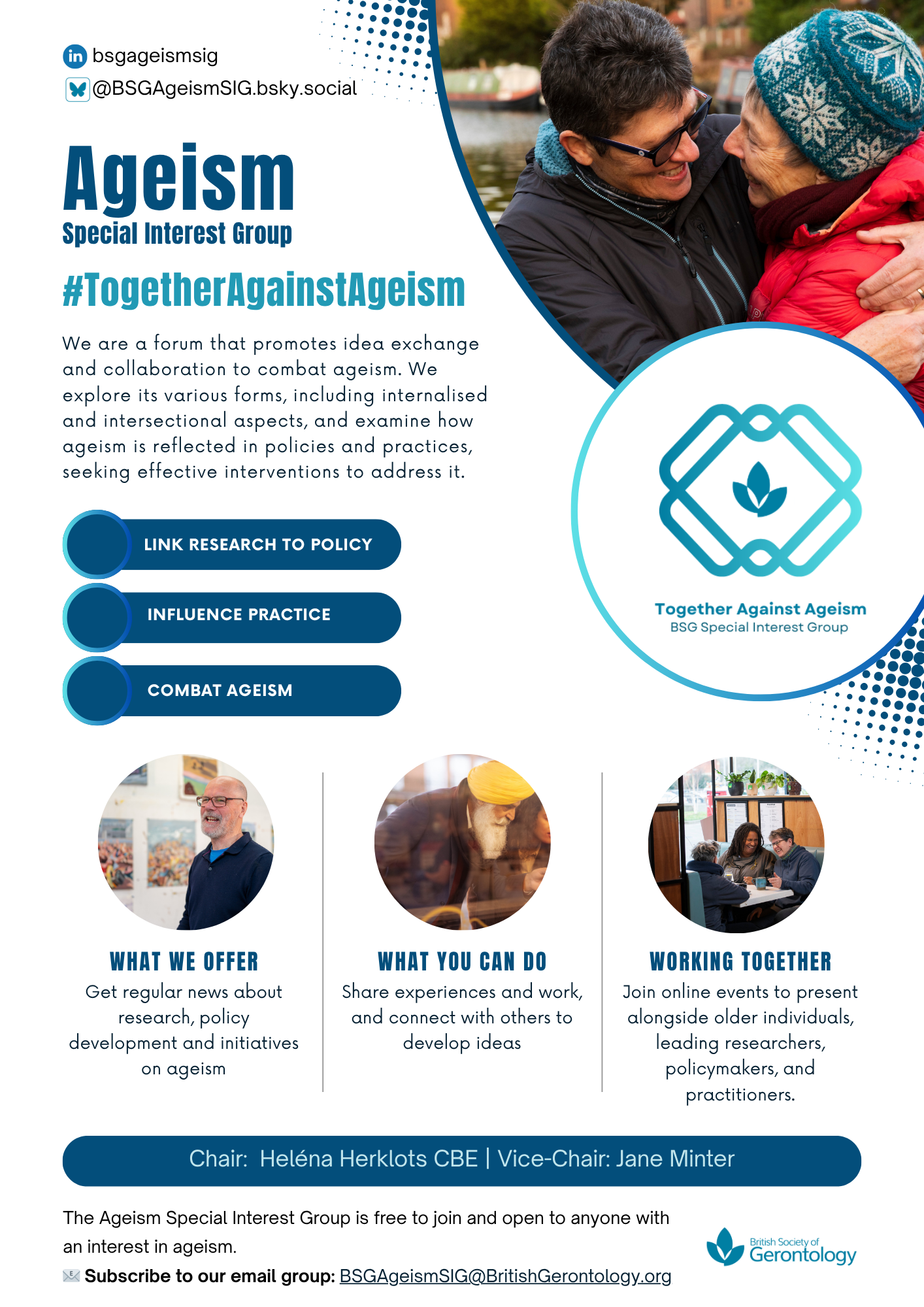
Age UK London have presented our findings to the British Society of Gerontology special interest group on ageism. The Special Interest Group on Ageism focuses on strengthening the links between research, policy and practice to improve understanding of ageism and its impacts, and to identify and promote effective interventions to combat ageism.
If you have an interest in Ageism and would like to be part of the British Society of Gerontology Special Interest Group on Ageism find out further information here.