
Men's Health Week: A Complete Guide to Looking After Your Health in Later Life
Published on 10 June 2026 07:40 AM
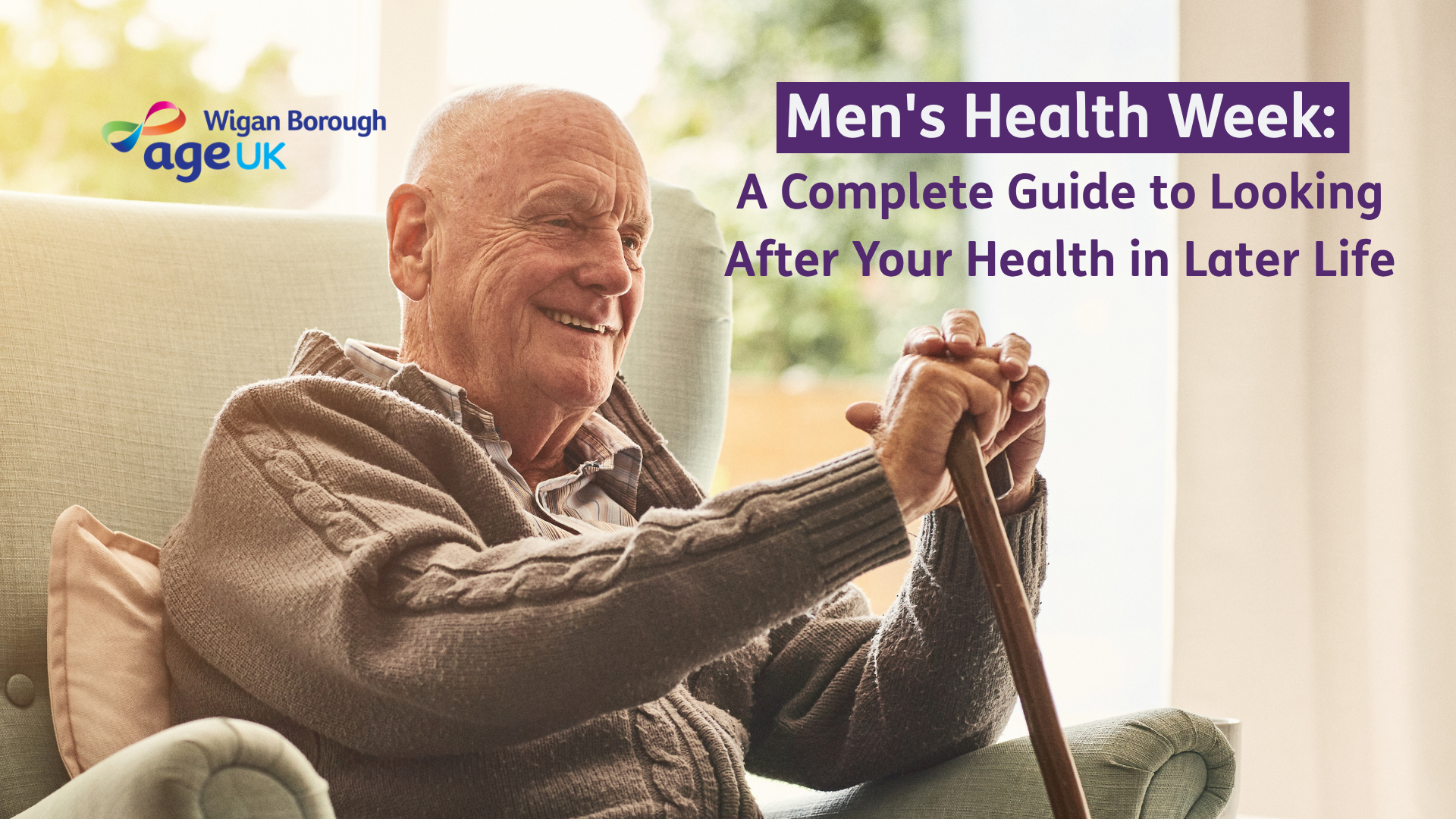
Men's Health Week is an important annual opportunity to shine a light on the unique health challenges facing men — particularly those aged 50 and over. Whether you are approaching retirement, already enjoying it, or supporting an older man in your life, this guide covers everything you need to know about maintaining good physical and mental health in later life.
When we think about health, we often focus on diet, exercise and visits to the doctor. While these things are undoubtedly important, good health is about much more than avoiding illness. It is about staying connected, maintaining purpose, looking after our mental wellbeing and ensuring we have the support we need when life becomes challenging.
Why Men's Health in Later Life Deserves More Attention
Many men aged 50 and over grew up with a very different attitude towards health — particularly mental health. They were often taught to be strong, self-reliant and to simply "get on with it" when faced with difficulties. While resilience remains an admirable quality, modern understanding tells us that looking after our health means recognising when we need support and feeling comfortable enough to ask for it.
Later life can bring wonderful opportunities: enjoying retirement, spending time with family, and pursuing hobbies and interests long put aside. But it can also bring significant changes that affect both physical and mental wellbeing. Understanding those changes — and knowing where to turn — is the first step towards a healthier, happier future.
Men's Mental Health After 50: Breaking the Stigma
Why Older Men Struggle to Talk About Mental Health
For many older men, discussing emotions or personal struggles does not come naturally. It was not something previous generations were encouraged to do. Today, however, we understand far more about the impact that stress, anxiety, depression and loneliness can have on our overall health. Mental health is every bit as important as physical health, and the two are closely connected.
Experiencing low mood, stress or anxiety is not a sign of weakness. Nor is asking for help. In fact, speaking openly about how we are feeling can often be one of the most positive steps we can take.
Common Mental Health Challenges Facing Men Over 50
Life after 50 can bring a range of challenges that affect mental wellbeing:
- Retirement: Can change long-established routines and remove regular social contact overnight
- Health problems: Emerging physical conditions can affect confidence and mood
- Caring responsibilities: Looking after an unwell partner or parent adds emotional strain
- Bereavement: The loss of a partner, family member or close friend can be deeply isolating
- Loss of identity: Many men closely tie their sense of self to their career or role
These experiences can have a profound impact on wellbeing, particularly when faced alone. Recognising these challenges for what they are — legitimate health concerns — is the first step towards addressing them.
Loneliness in Older Men: The Hidden Health Crisis
Why Loneliness Affects Men Differently
Loneliness is one of the most significant but least discussed health challenges facing older men in the UK today.
For many people, work provides daily social interaction, routine and a sense of purpose. When retirement arrives, these connections can disappear almost overnight. Friends may move away, become less mobile or sadly pass away. Family members often lead busy lives of their own.
Research consistently shows that older men can be particularly vulnerable to loneliness. Many are less likely to admit they feel lonely or seek support compared with women. Some men have spent years relying on their spouse or partner as their primary social connection, which can make bereavement especially difficult.
The Health Impact of Loneliness
Loneliness is not simply about being alone. Chronic loneliness can have serious consequences for both mental and physical health, including:
- Depression and anxiety
- Poor sleep quality
- Reduced confidence and motivation
- Higher risk of heart disease and stroke
- Cognitive decline
How to Combat Loneliness in Later Life
The good news is that meaningful social connections can make a huge difference. Whether it is joining a local group, attending a community activity, volunteering or simply making time to meet others regularly, staying connected is one of the most important things we can do to protect our health as we age.
Practical steps to reduce loneliness include:
- Joining a local club or class — from walking groups to woodworking, there are options for every interest
- Volunteering — giving back to the community provides purpose and regular social contact
- Regular contact with family and friends — even a weekly phone call makes a difference
- Attending community events — local centres, churches and charities often run drop-in activities
- Using technology — video calls, social media and online communities can help bridge distances
Physical Health for Men Over 50: What You Need to Know
Common Health Conditions Affecting Older Men
Of course, physical health remains an important part of ageing well. Many of the conditions that affect men become more common after the age of 50. These include:
- Heart disease and high blood pressure — the leading causes of death in men in the UK
- Type 2 diabetes — closely linked to weight, diet and activity levels
- Prostate cancer — now the most commonly diagnosed cancer among men in the UK
- Bowel cancer — men over 50 are routinely invited for NHS screening
- Osteoporosis — often thought of as a women's condition, but it affects men too
- Hearing and vision loss — gradual changes that can affect independence and quality of life
While these statistics can sound worrying, there is also a positive message: many health conditions can be managed more effectively when identified early.
The Importance of Health Checks and Screenings
Attending regular health checks, speaking to a GP about any concerns, remaining physically active and maintaining a balanced lifestyle can all help reduce risks and improve quality of life.
If you are aged 40 to 74 and have not had a cardiovascular risk assessment, you may be eligible for a free NHS Health Check. Men are also routinely invited for bowel cancer screening from age 60. Do not ignore these invitations — early detection saves lives.
Staying Active in Later Life
Physical activity does not have to mean running marathons or spending hours in the gym. The NHS recommends that adults aim for at least 150 minutes of moderate activity per week — and this is entirely achievable through everyday activities such as:
- Walking — gentle, free and easy to build into daily routines
- Gardening — a surprisingly effective form of moderate exercise
- Swimming — low-impact and excellent for joint health
- Cycling — great for cardiovascular fitness and mental wellbeing
- Community fitness classes — many leisure centres offer activities tailored to older adults
Regular physical activity helps maintain strength, balance and independence, reduces the risk of falls, improves mood and supports heart health. The benefits begin almost immediately, regardless of when you start.
Alcohol and Retirement: An Overlooked Risk for Older Men
Why Drinking Habits Can Change After Retirement
One topic that receives less attention than it deserves is alcohol consumption among older adults. When people think about alcohol misuse, they often picture younger people. However, retirement can sometimes lead to gradual changes in drinking habits that develop slowly and go largely unnoticed.
Without the structure of work, some people find themselves drinking more frequently throughout the week. Alcohol can also become a way of coping with loneliness, boredom, stress or bereavement. What begins as an occasional drink can slowly become a daily routine.
How Alcohol Affects Health in Later Life
Excessive alcohol consumption in older adults can:
- Disrupt sleep quality
- Increase blood pressure
- Worsen symptoms of anxiety and depression
- Interact negatively with prescribed medications
- Increase the risk of falls and accidents
- Contribute to long-term liver, heart and cognitive health problems
Alcohol can also intensify feelings of anxiety and depression, creating a difficult cycle to break.
Drinking Mindfully in Later Life
This does not mean people cannot enjoy a drink. Rather, it is about being honest with ourselves about our habits and recognising when alcohol may be becoming a substitute for social connection, activity or emotional support.
The NHS recommends drinking no more than 14 units of alcohol per week, spread across several days. If you are concerned about your drinking or that of someone you care for, speaking to a GP is a confidential and non-judgmental first step.
Male Suicide: Why We Must Keep Talking
The Scale of the Issue
One of the most serious health issues affecting men today is suicide. Across England and Wales, around three quarters of all suicides are male. Despite growing awareness of mental health, men remain significantly less likely to seek support when struggling emotionally.
Closer to home, Wigan has experienced male suicide rates that are notably higher than the national average. Behind every statistic is a father, grandfather, brother, son, husband, friend or neighbour whose loss leaves a lasting impact on those around them.
Understanding Why Men Are at Greater Risk
There is rarely one single reason why someone reaches crisis point. Mental health difficulties can be influenced by many factors, including:
- Loneliness and social isolation
- Bereavement and grief
- Financial worries or debt
- Relationship breakdown
- Physical illness or chronic pain
- Retirement and the loss of professional identity
- Feelings of purposelessness or worthlessness
That is why conversations matter.
How to Help Someone Who May Be Struggling
You do not need to be a trained counsellor to make a difference. Simple, everyday actions can have an enormous impact:
- Check in on a friend — a text or phone call can mean everything
- Ask how someone is really doing — and give them the time to answer honestly
- Listen without judgement — you do not need to have all the answers
- Encourage someone to seek support — and offer to help them take that step
- Take any mention of suicide seriously — do not be afraid to ask directly
Importantly, talking about suicide does not increase risk. In many cases, it provides someone with the opportunity to share thoughts they may have been carrying alone for a long time.
Practical Steps to Better Health: Where to Start
Looking after your health does not require dramatic lifestyle changes. Often, it is the small things done consistently that have the greatest impact. Here are some practical steps any man over 50 can take today:
Physical health:
- Book an NHS Health Check if you have not had one recently
- Attend any cancer screening invitations that arrive through the post
- Build 30 minutes of gentle activity into your daily routine
- Review your alcohol intake and speak to a GP if you have concerns
Mental health and wellbeing:
- Talk honestly about how you are feeling — with a friend, family member or GP
- Join a local activity, club or group to build new social connections
- Volunteer in your community to maintain a sense of purpose
- Limit news and social media if it is affecting your mood
If you are struggling:
- Speak to your GP — they are there to help, not judge
- Call NHS 111 for urgent medical advice
- Contact Samaritans on 116 123 — available 24 hours a day, 7 days a week
- Reach out to local support services in your area
Support Is Available in Wigan Borough
At Age UK Wigan Borough, we know that staying healthy is about much more than medical appointments. It is about staying connected, maintaining independence and feeling part of your community.
Whether you are looking for social activities, information and advice, opportunities to meet new people or support during difficult times, there are services available to help.
If you are struggling with your mental health, feeling isolated or worried about someone you know, please reach out. You do not have to face it alone.
Key Takeaways: Men's Health After 50
- Mental health is just as important as physical health — and it is never too late to seek support
- Loneliness is a serious health risk for older men and can be addressed through community connection
- Regular health checks and cancer screenings save lives through early detection
- Retirement can change drinking habits — awareness and moderation matter
- Three quarters of suicides in England and Wales are male — talking saves lives
- Small, consistent steps have the greatest long-term impact on health and wellbeing
As Men's Health Week reminds us, taking care of our health is not a sign of weakness. It is one of the strongest and most important decisions we can make.
Because it is never too late to look after your health, strengthen your connections and take positive steps towards a happier and healthier future.
If you or someone you know is in crisis, please call Samaritans on 116 123 (free, 24/7) or contact your GP or NHS 111.
Age UK Wigan Borough provides information, advice and support to older people across the borough. To find out more about local services and activities, please get in touch.