
Reflection on my MSc Student Placement
Published on 30 July 2026 03:40 PM
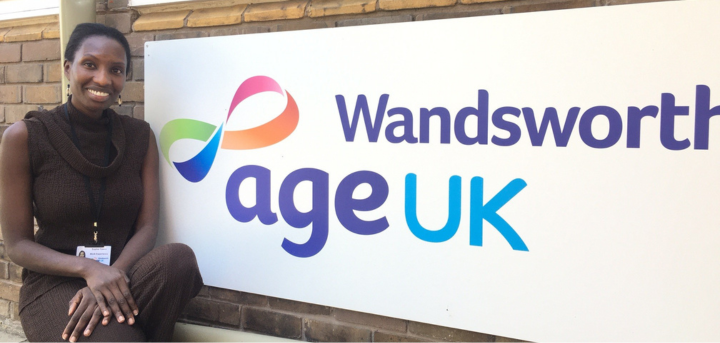
As part of my MSc in Digital Health at the University of Roehampton, I had the chance to complete a work placement with a local organisation, and Age UK Wandsworth kindly took me on with their Digital Inclusion Programme. Over my time there I helped run the library drop-in sessions, supported the weekly coffee morning, and designed learning modules for members, including one on the NHS App. I came in as a student, but I left having learned at least as much from the clients as they did from me.
What the placement taught me about communication
My own MSc project is a voice-first tool called PalCare, designed to help older adults who are digitally excluded reach their GP, so I arrived thinking I already understood accessible design. One of the first things I did was share a presentation I had made to introduce AI to the group, and the feedback was honest: it was too dense. What actually worked was putting the slides aside and talking. When someone asked what a large language model was, I dropped the technical wording and described it instead as a big cloud gathering information into a computer, and the room came alive with questions.
What seemed to land most was when I was open about my own experience. I'm neurodivergent, and I talked to the members about how I use AI and digital tools every day to stay organised, planning my week, setting reminders, keeping track of things I would otherwise lose. Sharing that seemed to shift something; it showed the group that these tools are not only for people who find everything easy, and that needing a bit of help is nothing to be embarrassed about. That honesty built more trust than any polished slide could have.
That whole experience stayed with me because it was the exact principle PalCare is built on, plain language, no jargon, meeting people where they are, but I was seeing it happen in front of me rather than writing it into a design document. Building the tool had taught me to strip language back; the placement showed me why it matters. I now break words down differently, and I think about the person listening before I think about the information.
Seeing digital isolation up close
The part that affected me most was seeing how much digital exclusion overlaps with loneliness. One client told me that some information is hard to hold onto and needs patient, one-to-one contact, and that the sessions mattered to him because he felt supported rather than rushed. Another mentioned he now keeps in touch with his nephew by text, a small thing that is quietly a big thing. These conversations showed me that helping someone send an email or save a document is rarely only about the task; it is about connection, confidence, and not being left behind.
Where it leaves me
The placement genuinely helped me become better at supporting older adults, and it has given me practices I want to carry into my own work. As a nurse, I will be advocating even more for the people who get overlooked when services move online, because I have now seen the difference it makes when someone slows down and includes them. I would also love to volunteer with Age UK Wandsworth myself in the future. Everyone made me feel so welcome, and it turns out I got far more out of it than I expected to.