
Finding Reassurance in Uncertain Times
Published on 15 April 2026 05:40 AM
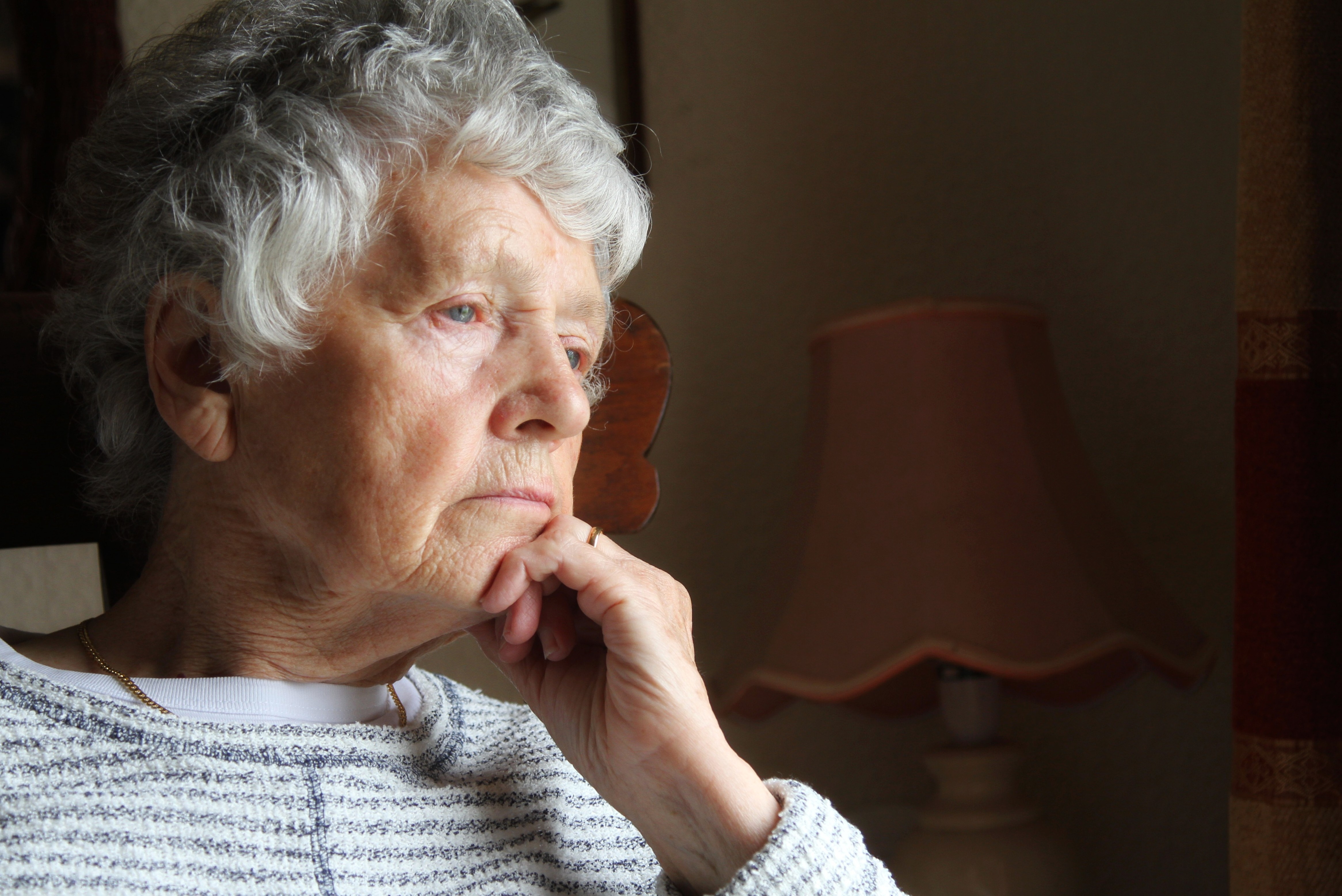
In recent months, many of us will have seen worrying news stories about conflicts around the world, particularly the ongoing war in Ukraine and the escalating situation in the Middle East. Whilst these events may feel far away, their impact can sometimes be felt much closer to home, especially for older people.
At Age UK Wigan Borough, we understand that global events don't just affect headlines. They can affect how people feel, live, and cope day to day. And in April 2026, as the world continues to navigate complex international tensions, we know that many older people in Wigan Borough are feeling the strain, both financially and emotionally.
Why This Matters for Older People
Global unrest has a way of rippling outwards, touching lives in unexpected ways. The conflict in Ukraine, now in its fifth year, continues to disrupt energy markets and supply chains. Meanwhile, the recent escalation of tensions between the United States, Israel, and Iran in the Middle East has sent shockwaves through global oil and gas markets, creating fresh uncertainty about energy prices and fuel costs.
For many older people, particularly those on fixed incomes, these global pressures translate into very real, very immediate challenges here in Wigan Borough.
Whilst there has been some welcome news this month, with energy bills falling by an average of £117 a year thanks to government intervention and the new energy price cap of £1,641 for a typical household, the reality is more complex than the headlines suggest. Energy prices remain 35% higher than they were before the energy crisis began. And with ongoing volatility in the Middle East affecting oil and gas supplies, there's genuine concern that prices could rise again when the cap is reviewed in July.
This creates a difficult landscape for older people to navigate. Rising costs can lead to impossible decisions:
Heating the home or saving on bills. Even with the recent reduction, energy costs are still substantially higher than a few years ago. Many older people are having to carefully ration their heating use, particularly as we move into spring and summer when the temptation might be to cut back further to save money for the colder months ahead.
Buying fresh food or choosing cheaper alternatives. Food prices have also been affected by global disruptions, from the war in Ukraine impacting grain supplies to Middle East tensions pushing up fuel costs for transportation. For someone on a fixed pension, the weekly shop can feel like a constant exercise in compromise.
Cutting back on outings or social activities. When money is tight, the first things to go are often the "extras", the bus fare to visit a friend, the small cost of attending a community group, the occasional meal out. But these aren't really extras. They're the activities that keep people connected, engaged, and emotionally well.
These are not just financial challenges. They directly impact health, independence, and overall wellbeing. When someone has to choose between heating and eating, when social isolation increases because travel feels too expensive, when worry about money becomes a constant background hum, the effects extend far beyond the bank balance.
The Hidden Impact on Mental Health and Outlook
Alongside financial worries, there is another side to global unrest that is often less visible, but just as important. It's the psychological and emotional toll of living through uncertain times.
The constant stream of news about conflict, suffering, and international tensions can feel overwhelming. When our television screens and news feeds are filled with stories of war, destruction, and political instability, it can begin to shape how we see the world and our place in it.
For some older people, this may lead to:
Increased anxiety or worry. Constant exposure to distressing news can create a sense of pervasive unease. Even if the conflicts are geographically distant, the emotional impact can feel very close. Some people find themselves worrying not just about their own circumstances, but about the state of the world more broadly, about what kind of future we're heading towards.
Feeling unsettled about the future. Global instability can erode the sense of security and predictability that many of us rely on. When energy prices can spike overnight due to events on the other side of the world, when the cost of food depends on harvests in war zones, it can feel like the ground is constantly shifting beneath our feet.
A sense of sadness or loss of faith in how people treat one another. For older people who have lived through previous conflicts and international crises, current events can feel particularly disheartening. There can be a deep sadness about the persistence of war, about the suffering of civilians, about the apparent inability of world leaders to find peaceful solutions.
Feeling overwhelmed by a cycle of negative news. The 24-hour news cycle means that distressing stories are relentless. One crisis barely has time to develop before another emerges. This can create a sense of hopelessness, a feeling that the world is becoming an increasingly difficult and frightening place.
For those who spend more time at home, perhaps due to mobility issues, health concerns, or simply the natural changes that come with ageing, news channels and online media can become a main window to the outside world. When that window is consistently filled with difficult stories, it can significantly affect mood, confidence, and overall outlook on life.
Over time, this constant exposure to distressing news can contribute to feelings of isolation, low mood, or even hopelessness. Some people find themselves withdrawing from activities they used to enjoy, feeling that there's little point when the world feels so troubled. Others experience disrupted sleep, loss of appetite, or a general sense of flatness that's hard to shake.
The Specific Challenges of April 2026
This particular moment in time brings its own unique pressures. The Middle East conflict has intensified in recent weeks, with military action involving the United States, Israel, and Iran creating major disruptions to oil and gas supplies through the strategically vital Strait of Hormuz. This has pushed fuel prices up sharply, with petrol and diesel prices increasing by over 9 pence and 17 pence per litre respectively in March alone.
Meanwhile, the war in Ukraine grinds on, with ongoing fighting continuing to affect European energy security and food supplies. The human cost is staggering, but the ripple effects are also being felt in household budgets across the UK.
Against this backdrop of international instability, domestic concerns persist. Whilst the energy price cap has fallen this month, and some welcome cost of living measures have come into effect, including increases to the State Pension and National Living Wage, the overall financial picture for many older people remains challenging.
Energy debt across the UK has reached record levels, exceeding £5 billion. This reflects the sustained pressure that households have been under, with many people simply unable to keep up with bills that have remained stubbornly high for several years now.
For older people in Wigan Borough, all of this can feel like trying to plan for the future whilst standing on shifting sand. Just when it seems things might be stabilising, a new international crisis emerges, prices threaten to rise again, and the uncertainty continues.
It's Okay to Feel This Way
If you or someone you know has been feeling worried, overwhelmed, or simply worn down by the constant drumbeat of difficult news and financial pressure, it's important to know that these feelings are completely natural and entirely understandable.
You're not being weak. You're not overreacting. You're responding as any reasonable person would to genuinely challenging circumstances.
Global events are unsettling. Financial pressure is stressful. The combination of the two, sustained over several years, is exhausting. And for older people who may already be dealing with health issues, bereavement, or reduced mobility, these additional burdens can feel particularly heavy.
But it's equally important to know this: you don't have to face these challenges alone. Support exists, both for the practical financial pressures and for the emotional toll of living through uncertain times.
How We Can Help: Practical Support That Makes a Real Difference
At Age UK Wigan Borough, we have been supporting people over 50 in our local community for more than 30 years. We've helped people through recessions, energy crises, and periods of international instability before. We understand the pressures that older people are facing right now, and we're here to provide both practical support and reassurance during challenging times.
One of the key ways we do this is through our Information and Advice service.
This free, confidential service offers support on a wide range of issues, helping older people understand what help is available and how to access it. We don't just hand out leaflets and send people on their way. We take the time to understand each person's individual circumstances and work with them to identify practical solutions.
Maximising Income
Many older people are unaware of the financial support available to them. The benefits system in the UK is complex and often confusing, with different schemes having different eligibility criteria and application processes. It's easy to assume you wouldn't qualify for something when, in fact, you might be entitled to significant support.
Our team can carry out comprehensive benefit checks, looking at your income, expenses, and circumstances to identify any benefits or support you may be missing out on. We can then help you with the application process, which can often feel daunting, particularly for forms that ask detailed questions about health conditions or financial situations.
Some of the key benefits and support we can help with include:
Pension Credit: This tops up your weekly income if it's below a certain level. Many people who are eligible for Pension Credit aren't claiming it, either because they don't realise they qualify or because they find the application process too complicated. Pension Credit can make a real difference to your weekly budget, and it also acts as a gateway to other support, like help with heating costs and council tax.
Attendance Allowance: If you need help with personal care or supervision because of an illness or disability, you might be entitled to Attendance Allowance. This isn't means-tested, so it doesn't matter how much money you have in savings or what other income you receive. It's purely based on your care needs. And crucially, you don't need to be receiving care from anyone to qualify. The benefit is there to help you pay for the support you need, whether that's from family, friends, or professional carers.
Council Tax Support: If you're on a low income, you may be able to get a reduction in your council tax bill. The amount of support available varies depending on your circumstances, but for some people, it can mean paying significantly less, or even nothing at all.
Warm Home Discount: This is a one-off £150 payment to help with energy bills during winter. Around 6 million households are eligible, and if you receive the Guarantee Credit element of Pension Credit, you should receive it automatically. But even if you don't, you might still qualify based on your income.
Crisis and Resilience Fund: This is a new fund that started in April 2026, specifically designed to help vulnerable households with costs like heating oil. If you rely on heating oil rather than mains gas, and you're struggling with the costs, this fund might be able to help.
In just one year, we helped local older people access over £2.82 million in unclaimed benefits. That's not a small amount. That's money that made a genuine, tangible difference to people's lives. Money that helped them heat their homes properly, buy the food they needed, and reduce the constant worry about how they were going to make ends meet.
Reducing Financial Stress
By ensuring people receive the income they're entitled to, we can help ease the pressure of rising food, fuel, and heating costs. Whilst we can't control global oil prices or prevent international conflicts, we can make sure that you're getting every penny of support that's available to you. And often, that can be the difference between struggling and coping, between constant worry and being able to breathe a bit more easily.
Providing Clarity and Reassurance
Sometimes, worry comes not just from financial pressure itself, but from not knowing what help is available or how to access it. There's a particular kind of stress that comes from feeling overwhelmed by bureaucracy, from not understanding the rules, from worrying that you might make a mistake on a form and lose out on support you desperately need.
Speaking to someone who understands the system, who can explain things clearly and without jargon, who can walk you through the process step by step, can bring genuine peace of mind. It can transform a situation that feels impossible to navigate into something manageable.
Our advisors don't rush you. They don't make assumptions. They listen to your specific situation and provide advice tailored to your needs. And if they don't know the answer to something immediately, they'll find out and get back to you. You're not a number or a case file. You're a person, and you deserve to be treated with respect, patience, and care.
Supporting Independence at Home
Alongside advice, our wider services can make everyday life more manageable, reducing both financial pressure and stress.
Our Home Help service provides practical support with household tasks, everything from light cleaning to shopping to help with preparing meals. This isn't just about getting chores done. It's about maintaining your independence, staying in your own home, and reducing the physical strain that can make daily life feel exhausting.
When you're worried about money, when you're feeling low because of constant difficult news, when your energy levels aren't what they used to be, even simple tasks can feel overwhelming. Having someone come in regularly to help can make an enormous difference, not just practically but emotionally too. It's the reassurance of knowing you don't have to manage everything alone.
Our Handyperson service can help with small repairs and odd jobs around the home, things like changing light bulbs (particularly in high-up or hard-to-reach places), fixing dripping taps, putting up grab rails, or fitting key safes. These might seem like minor issues, but when you can't safely do them yourself, and when you're worried about the cost of calling in a tradesperson, they can become sources of significant stress.
We also run our Bright Days programme, which includes a range of social activities, from walking football to craft sessions to day trips. When money is tight, it can be tempting to cut back on these kinds of activities. But staying connected to your community, having things to look forward to, maintaining social relationships, these aren't luxuries. They're essential for mental and emotional wellbeing.
Many of our activities are free or low-cost specifically because we understand that financial pressure shouldn't mean social isolation. And the friendships, laughter, and sense of belonging that come from being part of a group can be powerful antidotes to the worry and low mood that global uncertainty can create.
Small Steps That Can Make a Big Difference
Beyond seeking formal support, there are some practical steps you can take to help manage the emotional impact of uncertain times.
Limit News Consumption if It Feels Overwhelming
It's important to stay informed, but there's a difference between being aware of what's happening in the world and subjecting yourself to a constant stream of distressing stories. If you find that watching the news is making you feel anxious, sad, or hopeless, it's okay to step back.
Consider watching or reading the news just once a day, perhaps in the morning, rather than having it on constantly in the background. Choose reliable sources that provide balanced reporting rather than sensationalist coverage designed to provoke strong emotional reactions. And give yourself permission to switch off entirely sometimes, to focus on things that bring you comfort or joy rather than things that increase your stress.
Stay Connected With People You Trust
Social connection is one of the most powerful buffers against stress and low mood. Talking to friends, family, or neighbours about how you're feeling can help. It reminds you that you're not alone, that others are experiencing similar worries, and that human connection and kindness persist even when the news is difficult.
If you live alone or don't have family nearby, community groups, faith organisations, or activities like our Bright Days programme can provide that sense of connection. Even a brief chat with a friendly face, whether at a local shop, a community centre, or a social group, can lift your spirits in ways that are hard to quantify but are nonetheless real.
Ask for a Benefits Check
Even if you think you're probably not entitled to anything, it's worth checking. The rules change, your circumstances may have changed, and you might be surprised by what's available. A quick conversation with our Information and Advice team could identify support you didn't know existed. And if it turns out you're already receiving everything you're entitled to, at least you'll have the reassurance of knowing you haven't missed anything.
Focus on What You Can Control
Global events are, by definition, beyond your individual control. You can't stop wars. You can't stabilise oil prices. You can't personally resolve international conflicts. And trying to carry the emotional weight of things you cannot change is exhausting and ultimately futile.
What you can control are the smaller, more immediate aspects of your daily life. You can make sure you're accessing the financial support available to you. You can manage your news consumption. You can reach out to friends or community groups. You can ask for help when you need it. Focusing on these manageable actions can help restore a sense of agency and reduce feelings of helplessness.
Reach Out and Talk to Someone You Trust
Whether it's a friend, a family member, a neighbour, or someone from a local organisation like Age UK Wigan Borough, talking about how you're feeling can make an enormous difference. Keeping worries bottled up often makes them feel larger and more overwhelming. Speaking them aloud to someone who listens with empathy and without judgement can provide relief and perspective.
If you're feeling particularly low, or if worries are significantly affecting your sleep, appetite, or ability to function day to day, it's worth speaking to your GP as well. They can provide additional support and may be able to refer you to counselling or other services that could help.
A Message of Reassurance
Whilst the world may feel uncertain at times, support, kindness, and community are still very much present. In fact, often it's during difficult times that these qualities shine most brightly.
Here in Wigan Borough, people continue to look out for one another. Neighbours check in on each other. Community groups adapt to meet new needs. Local organisations like ours work tirelessly to make sure that older people have access to the support and information they need.
And at Age UK Wigan Borough, we are here to make sure that no older person feels alone, overwhelmed, or unsure where to turn. Whether you're struggling with rising costs, feeling anxious about global events, finding it hard to navigate the benefits system, or simply needing someone to talk to who understands, we're here.
We've weathered difficult times before. We've helped people through energy crises, recessions, and periods of international instability. We know that challenging circumstances don't last forever, even when they feel relentless in the moment. And we know that with the right support, people can find ways to cope, to manage, and even to maintain a sense of hope and connection despite external pressures.
Looking Forward With Realistic Hope
It would be unrealistic to promise that global conflicts will end tomorrow or that energy prices will suddenly plummet. The situation in Ukraine continues. The Middle East remains volatile. International politics are complex and unpredictable. And the effects of these events will likely continue to ripple through to household finances for some time yet.
But what we can say with confidence is this: you don't have to navigate these challenges alone. Support exists. Help is available. And small changes, accessing unclaimed benefits, reducing unnecessary worry by limiting news consumption, connecting with your community, asking for practical help when you need it, these things genuinely make a difference.
April 2026 brings both challenges and small reasons for hope. Yes, international tensions persist. But energy bills have come down this month, even if only temporarily. State Pensions have increased. New support funds have been established. And local communities, including ours here in Wigan Borough, continue to show resilience, compassion, and a determination to look after the most vulnerable.
The world may be uncertain, but your local community is here, solid and dependable. Age UK Wigan Borough isn't going anywhere. We'll be here next month, next year, and for as long as older people in our community need us.
Reach Out Today
If you or someone you know is struggling, whether financially, practically, or emotionally, please reach out. You don't need to be in crisis to contact us. You don't need to have exhausted every other option. You don't need to feel like your situation is "bad enough" to warrant asking for help.
A simple conversation could make all the difference. It could identify benefits you're entitled to but not claiming. It could connect you with services that ease daily pressures. It could provide reassurance that you're not alone in how you're feeling. Or it could simply offer a friendly, understanding voice at a time when that's what you need most.
In uncertain times, the most powerful thing we can do is look after each other. And that's exactly what we're here for.
For free, confidential information and advice, call Age UK Wigan Borough on 01942 615880 or visit us at our offices at 74-80 Hallgate, Wigan WN1 1HP. Our office hours are Monday through Friday from 9am to 4pm. You can also find more information on our website at www.ageuk.org.uk/wiganborough.
Remember: it's okay to ask for help. It's okay to feel worried. And it's okay to need support. We're here, and we're ready to help.