
Silver ACHM Standards
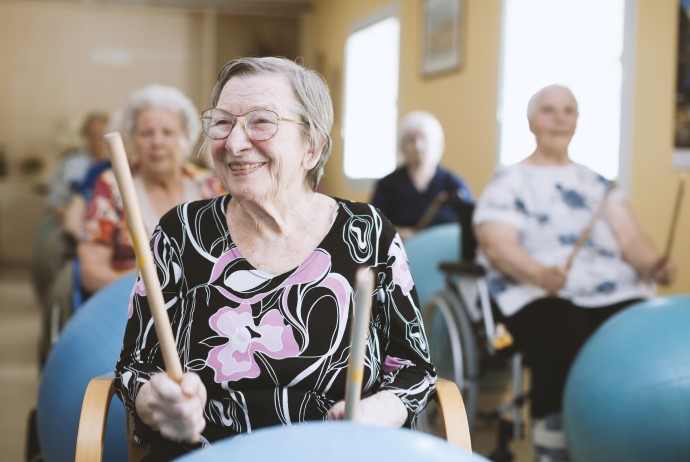
Guidance for formal exercise class delivery in care homes
While exercises that improve strength and balance should be recommended for all older people in the community, Live Stronger for Longer recognises that exercise provision in a Care Home setting presents unique challenges. Therefore to reach the Live Stronger for Longer Standard, exercise provision in Care Homes must meet the following criteria:
Qualifications
The instructor should hold an appropriate and recognised qualification, only if delivering Chair Based Exercise sessions. We recommend the YMCA level 2 Qualification in Leading ChairBased Exercise. External tutors may be Registered Tai Chi instructors or hold an Otago Exercise Programme Leader qualification. We recommend that 2 members of staff are qualified if delivering these types of sessions, to provide cover for absence and annual leave.
Safety
Exercises must be safe and at an appropriate level, taking into account the ability and frailty of the group. However, to be beneficial the exercises must challenge at that level, and be progressive. A strengthening component is advised. A standing balance component to the exercises is not considered appropriate in the group setting for the majority of participants in a
Care Home. Participants may be able to undertake seated exercises which progress towards helping improve balance, where appropriate. Standing balance should only be offered to individuals where appropriate to their abilities and where relevant insurance is in place. Advice is available from Falls Prevention Advisors. Care home management must ensure robust
policies are in place, such as First Aid and Accident Reporting. Care Home management are responsible for ensuring the suitability of participants to. It is advised that there is an additional
member of the Care Home staff attending every session to support the tutor, in case of injury or illness.
Environment
Where possible and relevant, a room should be set aside for the use of the group, cleared of any obstructions and hazards and well ventilated. Chairs should ideally be upright and supportive, dining chairs would be appropriate. Props should be considered for the comfort and safety of participants, e.g. foot support, cushions and rolled up blankets to improve posture.
Weekly Sessions
To maintain the benefits of exercise, sessions should take place at least once a week. However, we recognise that situations do arise in Care Homes where sessions have to be cancelled.
Therefore this should be logged and evidence provided that they are run most weeks. It would be acceptable to use a CD such as the First Taste ‘Music to Move’ if required.
Inclusive
Many older people perceive falls as a normal consequence of ageing, and exercise as only being suitable for younger, fitter people. Residents may need reassurance that the class is suitable for their level of ability and that regular exercise and physical activity will contribute to a healthier, more independent lifestyle, greatly improved ability to perform everyday tasks and quality of life.
Silver
Once you've completed the Bronze training you can move onto Silver, here's the criteria to complete Silver:
- Shout about it - It’s good to celebrate carrying out physical activity in your care setting. Use our poster in your displays.
- Pass it on - 10 members of staff to complete the Falls Awareness and Benefits of Exercise eLearning.
- Make a plan - Of how you will put physical activity or exercise into your weekly agenda.
- Carry out - at least one physical activity or exercise a week, for 4 weeks (please send evidence/pics with consent to your falls advisor)
You can use the resources at the bottom of the page to support your Silver ACHM. Once you've completed the tasks, fill in the form below.
Safeguarding adults
If you have any concerns about whether an older person, or yourself, is being abused or neglected, please see our safeguarding adults page for help. We are committed to preventing the abuse and neglect of vulnerable adults.