
Remembering Together: Why Remembrance Matters Across Generations
Published on 16 November 2026 06:40 AM
Why November asks us to pause
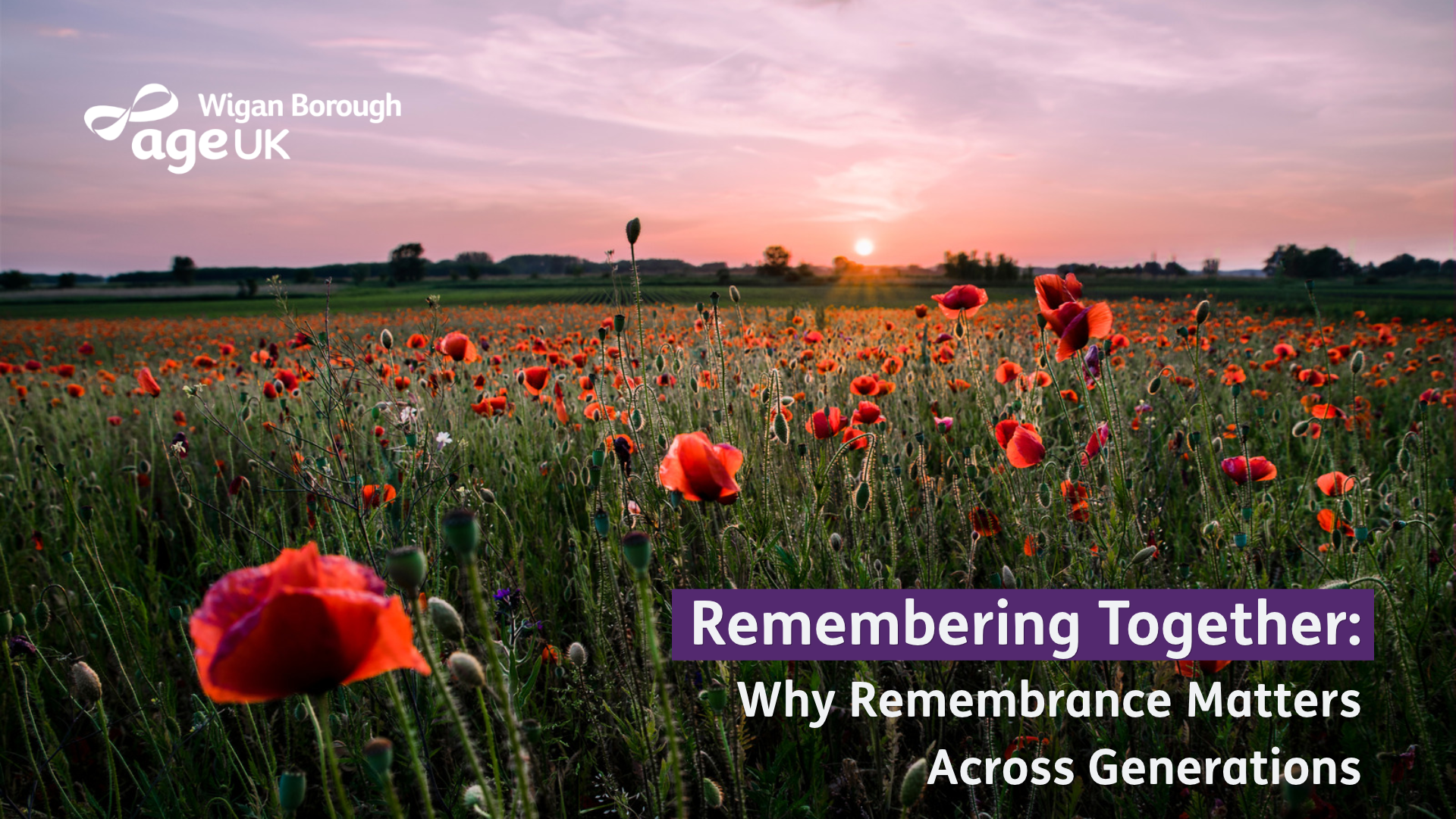
Every November, something shifts. Poppies appear on coats and lapels. Wreaths are laid at war memorials. Communities gather for parades and services, and at the eleventh hour, a hush settles over streets, shops and schoolyards as the nation observes two minutes of silence. Then come the familiar words: “We will remember them.”
For many of us, these traditions are woven into the year. We have taken part in them for as long as we can remember. But it is worth asking what they mean to us, and what they mean to the different generations standing side by side at the memorial.
As the years pass, fewer and fewer people remain who lived through the Second World War, and the First World War is long beyond living memory. So how do we make sure the meaning behind these traditions is never lost?
When history was someone’s lived experience
The World Wars are often taught as dates, battles and treaties. But they were lived by real people. There were those who served and those who waited at home. There were families who lost someone they loved, children who grew up with rationing and air-raid sirens, and whole communities who endured extraordinary hardship and carried on.
It is the personal details that bring this to life: a letter kept in a drawer, a recipe stretched to feed a family on very little, a song hummed while sheltering from the dark. These first-hand stories, and the memories passed down through families, help younger generations understand the human reality behind the history.
Gently, we must also acknowledge that with every passing year, we lose more of the people who can tell these stories themselves. That makes the stories we still hold all the more precious.
A lifetime ago, but not a world away
For younger generations, the World Wars can feel like a lifetime ago. In many ways they are. Yet their impact is part of everyday life.
The freedoms we enjoy, the peace we can so easily take for granted, the communities we live in and the opportunities open to us today were all shaped by the experiences and sacrifices of people who came before us. The same streets we walk, the same towns we call home, were rebuilt and carried forward by those who lived through those years.
None of us can truly understand what previous generations endured, and we shouldn’t pretend to. But we can recognise that the lives we lead now have been shaped, in countless ways, by them. Remembrance is a chance to say thank you.
More than a moment of silence
Remembrance traditions do something remarkable. When first-hand accounts become fewer, they help to keep history alive.
The poppy, the silence, the wreaths and the simple act of gathering together all give us an opening. They are a chance for parents, grandparents, teachers and neighbours to explain what happened and why it matters. A child who asks “why do we wear a poppy?” has just handed us a precious opportunity.
But remembrance isn’t just about repeating a tradition. It is about understanding its meaning: asking questions, listening to the answers and making sure the next generation has the chance to learn. A moment of silence means most when we know what we are being silent for.
The stories that connect us
At Age UK Wigan Borough, we see every day how much older people have to offer. Older generations are far more than witnesses to history. They are storytellers, family historians and keepers of the memories that help younger people understand just how much the world has changed.
Those memories are not only about wartime. They are about growing up, working, raising families and making a home in Wigan Borough through decades of change. Every one of those stories is a window onto the past.
That is why we believe so strongly in creating chances for generations to spend time together, to share memories and to learn from one another. Connection matters at every stage of life, and so does being listened to and valued. When a younger person sits down to hear an older person’s story, both of them benefit. One gains understanding. The other is reminded that their life and experience matter.
If you would like to meet new people and share your own stories, our Bright Days Activities bring people together at venues across the Borough.
Our responsibility to remember
You don’t need a grand gesture to keep remembrance alive. There are small, meaningful things we can all do this November:
- Talk to an older relative or neighbour and ask about their family history.
- Look through old photographs together and ask who is in them.
- Attend a local Remembrance event, and bring someone younger along.
- Take a moment to explain to a child or grandchild why we wear poppies and observe the silence.
And remember that stories don’t have to be grand or extraordinary to matter. Often the most powerful memories are the small details of everyday life in difficult times: what was eaten, what was sung, who was missed, and how people kept each other going.
If you are an older person who would like some company, or you know someone who could use a friendly conversation this winter, our team at Age UK Wigan Borough is here to help. Visit our services page to find out more, or get in touch with us.
Lest we forget
The wars may belong to another time, but their stories remain part of who we are. As the voices of those who experienced them first-hand grow fewer, it becomes our responsibility to listen, to remember and to share what we have learned.
Because remembrance is not only about honouring the past. It is about helping future generations understand the present, value the peace they live in and never forget the people who helped shape their world.
We will remember them.