
The Earlier You Know, The More You Can Do: Dementia Diagnosis Matters
Published on 21 September 2026 09:05 AM
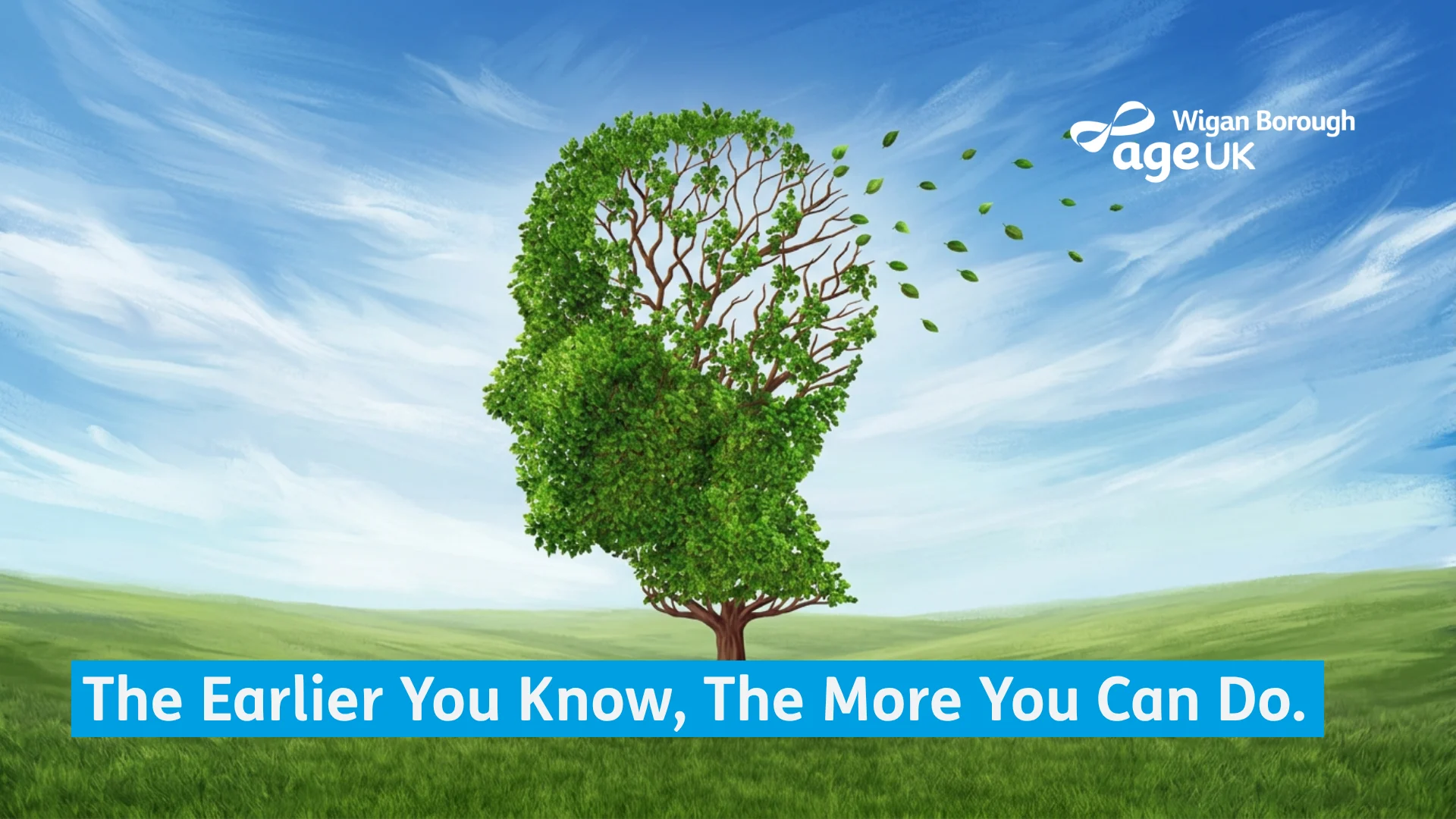
Every September, communities across the world mark World Alzheimer's Month, with World Alzheimer's Day itself falling on 21st September. It is a moment set aside to raise awareness of dementia, challenge the stigma that still surrounds it, and encourage people to talk more openly about a condition that touches so many families in Wigan Borough and beyond.
This year's global theme is "The Earlier You Know, The More You Can Do: A Dementia Diagnosis Matters." It is a simple message, but a powerful one. For many people, the word dementia brings fear, uncertainty and a reluctance to seek help. Noticing changes in yourself or someone you love, and wondering what they might mean, can be one of the most daunting experiences a family faces. It is entirely natural to want to put it off, to hope things will settle down, or to worry about what a diagnosis might change.
At Age UK Wigan Borough, we understand these fears well, and we want local people to know that seeking answers earlier does not mean having to face everything alone, or even having all the answers straight away. It can, however, open the door to information, support, planning and practical help at a stage when they can make the biggest difference. This article explains why an earlier diagnosis matters, what to look out for, and where families across Wigan Borough can turn for support.
What Is Dementia?
Dementia is not a single illness. It is an umbrella term used to describe a range of conditions that affect the brain, with Alzheimer's disease being the most common cause. Other forms include vascular dementia, dementia with Lewy bodies and frontotemporal dementia, each with its own pattern of symptoms and progression.
Dementia can affect memory, thinking, communication and the ability to carry out everyday tasks that were once second nature, from managing money and medication to preparing a meal or following a familiar route. It is important to stress that dementia is not simply a normal part of getting older. While our thinking naturally changes with age, dementia involves a decline that is significant enough to affect daily life. It is also worth remembering that no two people experience dementia in exactly the same way. Symptoms, their severity and the pace at which they develop can vary enormously from one person to the next, which is why a personal assessment and diagnosis, rather than assumption, is always the right starting point.
Why an Earlier Diagnosis Can Make a Difference
This is the heart of this year's World Alzheimer's Day theme, and for good reason. An earlier diagnosis rarely provides instant certainty, but it does open up options that become harder to access later on.
Understanding what may be happening allows a person and their family to access the right information rather than relying on guesswork or fear. It creates the opportunity to explore treatment and support options that may help manage symptoms or slow their progression. Crucially, it also allows the person living with dementia to be involved in decisions about their own future while they are still able to express their wishes clearly, whether that relates to where they want to live, how they want to be cared for, or who they want to make decisions on their behalf if they are ever unable to do so themselves.
An earlier diagnosis also means financial, practical and emotional support can be accessed sooner, at a point when it can genuinely ease the pressure on a family rather than arriving in a crisis. It gives people time to think through practical matters such as care, housing, legal arrangements like Lasting Power of Attorney, and finances, at a pace that suits them. Family members and carers benefit too, as understanding what is happening helps them make sense of changes in behaviour or mood, and points them towards support for themselves, not just the person they are caring for. Perhaps most importantly, an earlier diagnosis helps people stay connected for longer to the things that bring them purpose, enjoyment and independence, rather than withdrawing from life out of confusion or fear.
Locally, the picture shows both progress and room for improvement. NHS Greater Manchester has consistently recorded some of the highest dementia diagnosis rates in the North West, running well ahead of the national average in recent years. Even so, more recent NHS data shows that Wigan sits among the areas within Greater Manchester where the diagnosis rate still lags behind the regional average, meaning too many local people may be living with undiagnosed dementia. With around a fifth of Wigan Borough's population now aged 65 or over, a proportion that has grown noticeably over the past decade, timely diagnosis matters more here than ever.
A diagnosis is not the end of the story. For many people, it can be the beginning of getting the right information and support, and of taking back a sense of control at a time that might otherwise feel frightening and uncertain.
Recognising When Something May Have Changed
Occasional forgetfulness happens to all of us. Misplacing keys, forgetting a name for a moment, or losing your train of thought does not necessarily mean dementia. However, it is worth speaking to your GP if you notice changes that are persistent, worsening, or starting to affect daily life.
Signs worth paying attention to include regularly forgetting recent conversations or important events, becoming confused about familiar places or everyday tasks that were once straightforward, and difficulty finding the right words or following a conversation. Changes in judgement or decision-making, and noticeable shifts in mood, personality or behaviour, can also be worth mentioning to a doctor.
These symptoms can have many possible causes, some of which are treatable and unrelated to dementia, such as vitamin deficiencies, thyroid problems, infections or the side effects of medication. This is precisely why speaking to a healthcare professional is the right first step, rather than assuming the worst or dismissing the changes altogether.
The Fear of Getting a Diagnosis
For many people, the biggest barrier to seeking help is not a lack of awareness but fear. Some delay because they are afraid of what they might hear. Others assume that nothing can be done, or worry that a diagnosis will mean an immediate loss of independence.
It is important to say clearly that getting checked does not automatically mean receiving a dementia diagnosis. Many symptoms that look like dementia turn out to have other, sometimes very treatable, causes. Whatever the outcome, understanding what is causing the changes gives people access to the appropriate support and treatment, rather than living with worry and uncertainty. Facing that fear, even in a small way by booking a GP appointment, is often the hardest part, and also the most valuable.
Living Well and Staying Connected
A dementia diagnosis is not the end of a meaningful life. Many people continue to live full, fulfilling lives for years afterwards, particularly when they have the right support around them. Staying socially connected, remaining physically and mentally active where possible, and continuing with hobbies and activities that bring enjoyment and purpose all play an important part in living well with dementia.
It is also worth remembering the person behind the diagnosis. Supporting someone with dementia means continuing to see them as an individual, with their own preferences, sense of humour and history, rather than defining them solely by their condition. Family, friends, carers, community groups and local services all have a role to play in helping someone living with dementia to keep doing the things that matter to them for as long as possible.
Support for People Living With Dementia and Their Families in Wigan Borough
This is where local knowledge and local connections matter, and it is exactly where Age UK Wigan Borough can help.
We offer information and advice to help people understand their options and find the right support at the right time, whether that is immediately after a diagnosis or further down the line. Many families are also missing out on benefits and financial support they are entitled to, and we can help ensure people receive what they are due, easing financial pressure at a difficult time.
We provide practical support at home too, helping people remain safe and independent in their own homes for longer, and we run social connection and activities designed to reduce loneliness and maintain a genuine sense of community across the borough. We know that carers often put their own needs last, so we also offer support for carers, recognising that they need advice, information and the chance for a break just as much as the person they are caring for.
Beyond Age UK Wigan Borough, local resources such as the Wigan Borough Dementia Friendly Community bring together organisations working together on dementia awareness and support, and services like Active Choices offer dementia friendly activities including walks, active cafes and dementia friendly swimming across the borough. We would always encourage anyone concerned about symptoms to speak to their GP for diagnosis, alongside specialist organisations such as the Alzheimer's Society for condition specific guidance and support.
A Message to Families and Friends
If you have noticed changes in someone close to you, starting that conversation can feel daunting. Choose a calm, private moment rather than raising it in passing or during a stressful situation, and approach the subject with kindness rather than alarm.
Focus on the specific changes you have noticed, rather than jumping to conclusions or naming a condition they may not be ready to hear about. Offer to support them in making a GP appointment if they would find that helpful, whether that means going with them, helping them prepare questions, or simply being there afterwards to talk things through. And remember, as a family member or friend, that you need support too. Caring for or worrying about someone you love can be exhausting, and reaching out for help for yourself is just as important as encouraging them to seek help for themselves.
Conclusion: The Earlier You Know, The More You Can Do
A dementia diagnosis can bring uncertainty, but knowledge can also bring opportunities. The earlier you know, the earlier you can understand what support is available, make decisions, access advice and continue living life in the way that matters most to you. This World Alzheimer's Day, let's make it easier to talk about dementia, seek help when something feels different, and ensure that nobody in Wigan Borough faces the journey alone.
What You Can Do Today
If you are concerned about changes in yourself or someone close to you, speak to your GP. If you would like information, advice or support around dementia, benefits, home support or carer wellbeing, contact Age UK Wigan Borough, where our team is here to help. Please consider sharing this article to help start more conversations about dementia across our community, and if you are worried about someone, try to reach out early rather than waiting until things reach a crisis point.
To find out more about the support available from Age UK Wigan Borough, visit www.ageuk.org.uk/wiganborough or get in touch with our friendly team today.