
Healthy Start to the New Year
Published on 16 February 2026 12:40 PM
We could all benefit from being a bit healthier. Just a few small changes can make a big difference. The changes you want or need to make will be specific to you, as they depend on your starting point and what you want to achieve. But whatever your circumstances, we are hoping this article can help you.
Getting active.
Being active is a great way to stay healthy, but what we’re able to do can change as we get older. It’s different from person to person, too. The most important thing is to find something that works for you.
What are the benefits of moving more?
- It can improve your mood and boost energy levels
- Reduce your risk of heart attack, stroke, diabetes, some cancers and other conditions
- Strengthen your bones and muscles
- improve your balance, reducing your risk of a fall
- help manage high blood pressure
- Improve your range of movement and joint mobility
All this can mean you’re able to stay independent for longer – climbing stairs, carrying shopping, and getting washed and dressed.
If you’re just getting started. Getting active can seem daunting if you don’t currently move much. It’s always a good idea to build up your activity levels gradually. Lots of
everyday activities count as exercise, so look for simple ways you can begin to move more that fit in with your daily routine.
You could start by:

- getting up and stretching if you’ve been sat down a while
- walking about when you’re on the phone or during the adverts on TV
- walking to the shops instead of driving
- using stairs instead of lifts or escalators
- getting off the bus a stop earlier than usual and walking the rest of the way
- choosing a parking space a bit further away from the shops
- walking around the block
- doing housework or gardening
Eating and drinking.
What we eat and drink becomes even more important as we get older. And while one person’s nutritional needs can be quite different to someone else’s, for most of us it’s about finding a balance that’s enjoyable and manageable.
Eating a balanced diet.
It’s recommended that you: 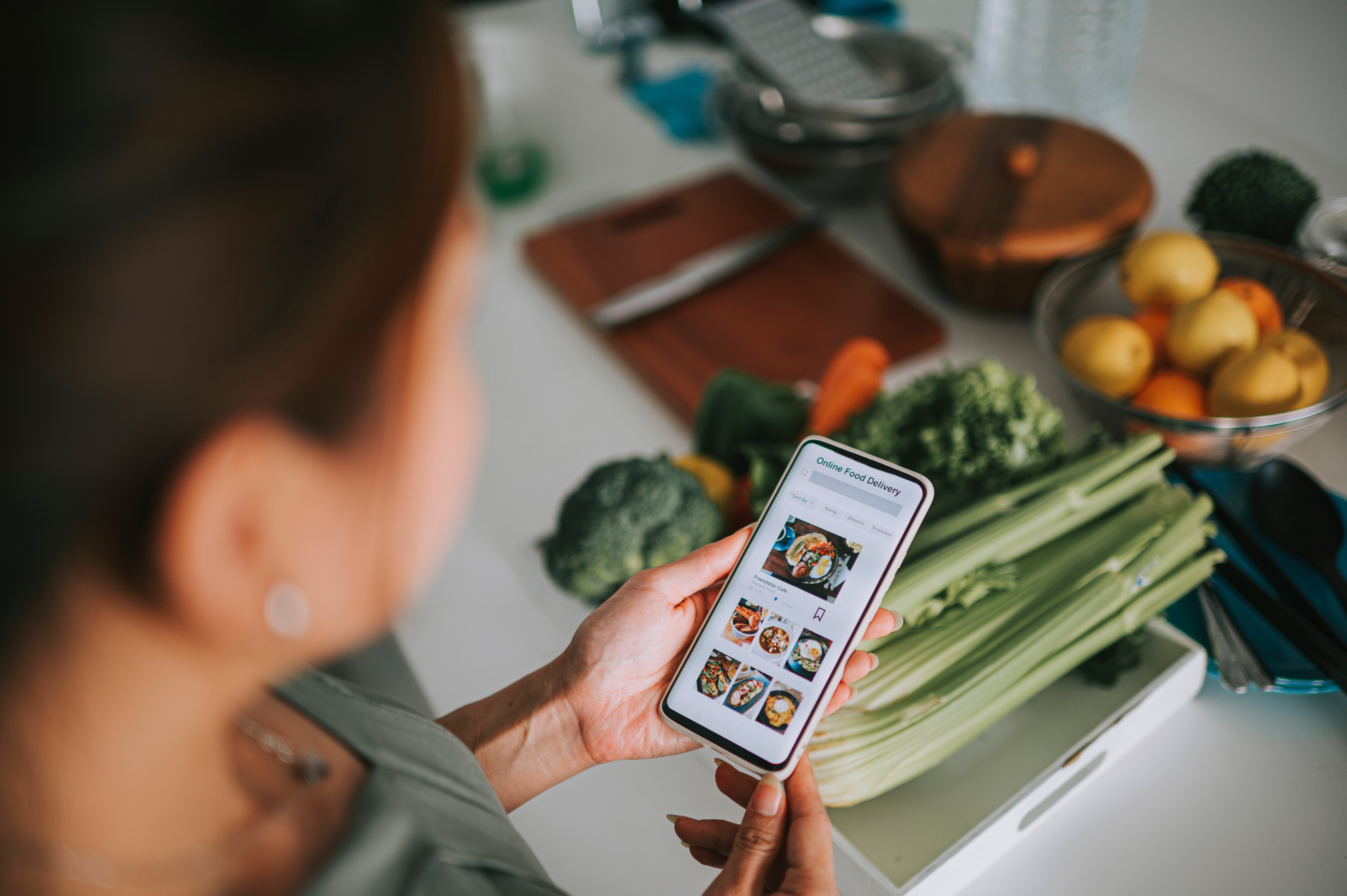
- Eat at least 5 portions of fruit and vegetables a day. Eating plenty of fruit and veg reduces your risk of developing heart disease and certain cancers. Frozen, canned and dried options all count – and so do juices. Don’t be put off if you don’t always reach your ‘5 a day’ 2 or 3 portions is better than none.
- Base meals around starchy food. Starchy foods like rice and pasta are a good source of energy. Wholegrain and high-fibre versions are even better as they help prevent constipation too
- Eat fish at least twice a week. Having a portion of white fish (like cod or shellfish) and another of oily fish (like salmon or mackerel) each week is ideal. Oily fish is rich in vitamin D and a type of fat that helps reduce the risk of heart disease.
- Eat different sources of protein. It isn’t just meat that contains protein – beans, lentils and soya based meat substitutes do too. Dairy products such as milk and cheese also contain protein, as well as calcium.
- Cut down on foods that are high in salt, fat and sugar. Eating too much salt can increase your risk of high blood pressure and stroke. Look for lower-salt versions of foods where you can. Foods high in saturated fat, such as cakes, pies and cheese, increase cholesterol levels in the blood and raise your risk of heart disease and stroke. It’s best to see these as a treat rather than as something you’d have day-to-day
Looking after your mental health
Keeping healthy isn’t just about looking after yourself physically, it’s about looking after yourself mentally too. Mental health and physical health are linked. One of the benefits of being more active is that it can improve your mood and energy levels. 
- Make time for yourself. Having more free time can be a great opportunity to do things for yourself, whether that’s doing a course or spending more time in the garden. It can be hard to find time for yourself if you have certain commitments, such as being a carer, but if you have lots going on, it’s especially important to have a break for something you enjoy, even if some days this is just a few minutes for a cup of tea or a chat on the phone with a friend.
- Connect with others. Spending time with others can help you feel more grounded and less anxious. Being with family or friends can remind you of happy memories, while meeting new people gives you the chance to share thoughts and ideas and discover interests. You could consider joining a local club or volunteering in your community.
- If you’re feeling down. If you’re feeling low or anxious, the best thing you can do to start feeling better is to talk to someone about it. Talking about these things can be easier said than done, but it’s important to let someone know how you’re feeling and ask for support if you need it. The sooner you get support, the sooner you’ll start to feel better. Is there a family member or a friend you could speak to? If you prefer, you can talk to your doctor. You might like to speak to someone from a dedicated organisation. Samaritans has a helpline for anyone who needs to talk – it’s open 24 hours a day, 365 days a year.