
Self-Injury Awareness Day
Published on 01 March 2026 12:40 PM
Here at Age UK Cambridgeshire and Peterborough we recognise poor mental health can affect anyone at any age. We support older people’s wellbeing through our Practical Support, Social Opportunities and Information and Advice.
We believe that no one should have no one.
Self-injury is commonly associated with deliberate physical harm, but among older people it can take more subtle forms. Malnutrition is one of the most overlooked examples. Skipping meals, restricting food, or failing to eat adequately can be a way of coping with emotional pain, loneliness, grief, or a loss of control. Other forms of self-injury in later life may include neglecting personal care, misusing medication, refusing help, or withdrawing from social contact and essential services.
Malnutrition
Malnutrition means that someone isn’t eating well enough to maintain their health and wellbeing. It results in low body weight or weight loss.
It’s estimated that around one in ten people over the age of 65 are malnourished or are at risk of malnutrition – that’s over one million older people in the UK today.
What are the signs of malnutrition?
You can be malnourished regardless of your size, weight or body shape.
The main signs are:
- low body weight
- unintentional weight loss
- feeling lethargic or more tired
- smaller appetite
- having difficulty chewing and swallowing
- finding planning, cooking and shopping is becoming more of an effort
- loose dentures
If you recognise these signs, you should speak to someone about it. These can all be signs of unhealthy weight loss and might mean you're at risk of becoming malnourished.
Tips to help prevent malnutrition
- Move to full-fat foods like milk, yoghurt and cheese.
- Try to include protein in every meal.
- Keep hydrated by having 6–8 drinks every day.
- If you find it hard to have 3 full meals a day, try eating smaller meals more regularly instead.
- Have full-fat milky drinks and a biscuit or snack between meals.
- Packet, frozen and ready meals can be nutritious and convenient options.
- Try to make sure you always have 3 days' worth of food in your home.
What should I do if I notice a lack of appetite or unintentional weight loss?
It's always a good idea to keep a record of your weight and check it regularly. If you notice unintentional weight loss, speak to your GP, Practice Nurse or healthcare professional. 
Depression
Depression is more common than many people realise, it affects 1 in 6 people. We all feel low or out of sorts occasionally, but if these feelings last a long time or keep returning, or if they start to impact your day-to-day life, you should seek professional support because this could be depression.
It's important to remember that feeling consistently low isn't part and parcel of getting older – it's a sign that you're not feeling as well as you should be. Older people with depression usually experience more physical symptoms, such as tiredness, weight loss, and problems sleeping. These aren't trivial matters – they're crucial to your mental and physical health.
How can I support my mental health?
If you're feeling low or anxious, it's important to remember that you're not alone. Mental health problems are more common than you might think. It’s estimated that 1 in 4 people live with a common mental health problem, such as depression or anxiety.
There are things you can do for yourself to help, including staying active in your community, joining a support group and doing things that boost your mental wellbeing.
You can also join one of our social opportunities, Sharing Time, Day Centres and Friendship Clubs
Self-neglect
This may include neglecting personal care, such as not washing, changing clothes, or maintaining a safe living environment. Some older people may misuse medication, taking too much, too little, or not as prescribed, which can place their health at serious risk. Others may refuse help from professionals or loved ones, declining support services even when they are struggling. Withdrawing from social contact and essential services, such as healthcare appointments or community activities, can further increase isolation and harm. These behaviours are often signs of emotional distress, loss of independence, or feeling overwhelmed, and they deserve understanding, not judgement.
How can you help?
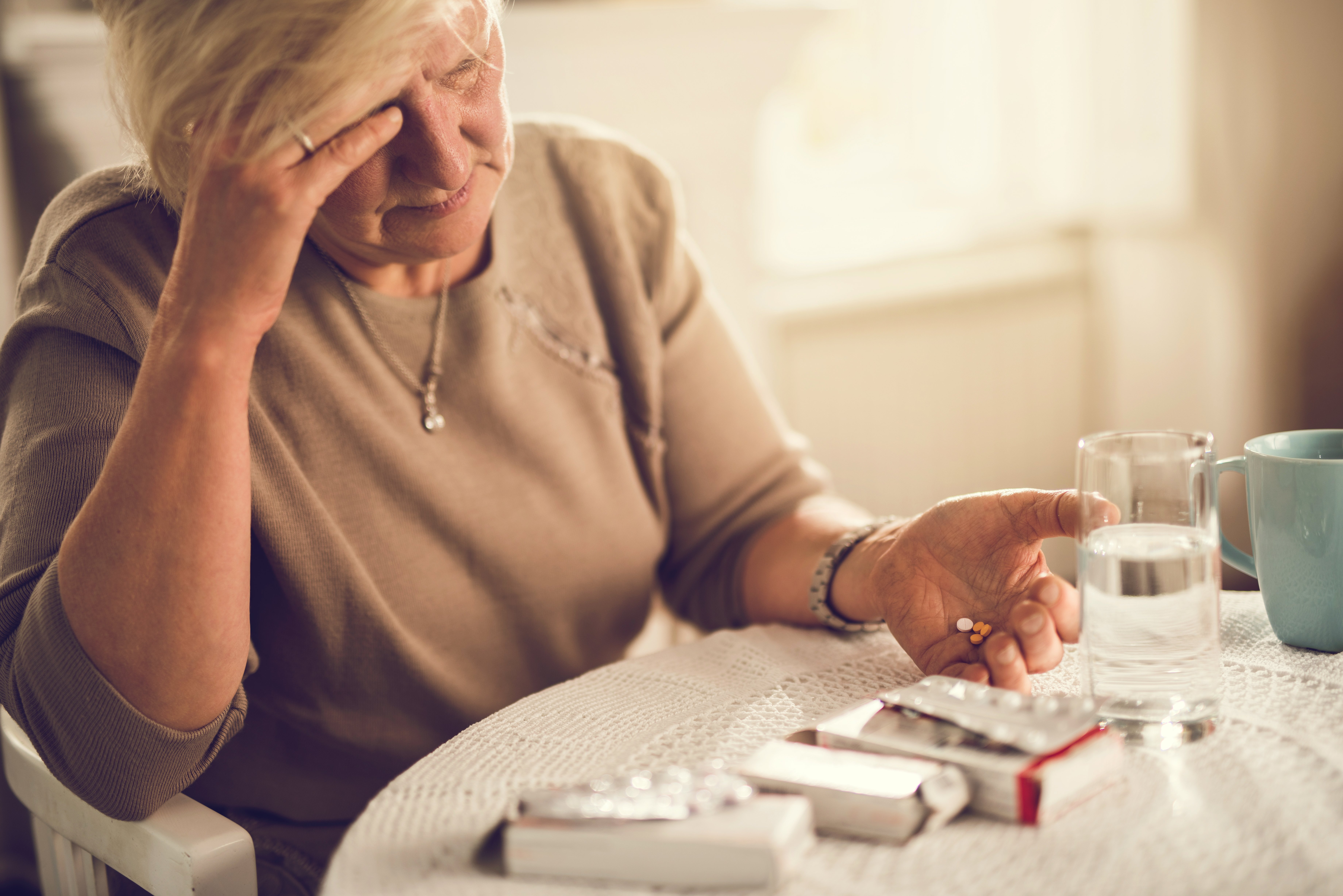
Friends, family members, and carers play a vital role in spotting the signs and offering support. Changes in eating habits, noticeable weight loss, poor hygiene, missed medical appointments, or increasing isolation can all be warning signs. Gentle conversations, listening without judgement, and showing consistent care can make a significant difference. Encouraging professional support and helping someone stay connected to their community can reduce feelings of loneliness and hopelessness.
Age UK Cambridgeshire and Peterborough provides a range of services designed to support older people’s wellbeing and reduce isolation. These include Sharing Time, which offers companionship through regular visits or calls; day centres, where older people can enjoy meals, activities, and social interaction; friendship clubs, which help build meaningful connections; and community wardens, who provide reassurance, practical support, and regular check-ins.