
Keeping cool this summer
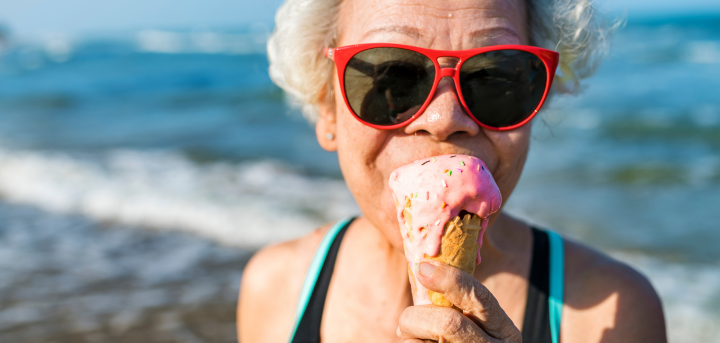
Sunny days can lift our mood and encourage us to get outside, but when temperatures climb it's important to look after yourself.
Enjoying the sunshine safely
As we get older, our bodies can find it harder to cope with the heat, so taking a few simple precautions can help you stay healthy and comfortable.
Fresh air and sunshine can do us the world of good, but try not to spend long periods outdoors during the hottest parts of the day (11:00 - 15:00). If you're heading out, aim for the morning or early evening when it's cooler.
Remember to:
- Stay in shade wherever you can
- Take a bottle of water with you and drink regularly
- Wear loose, light clothing that allows your skin to breathe
- Protect your face with a hat and use suncream with at least SPF 30
- Wear sunglasses that block harmful UV rays
- Check the weather forecast before making plans, as strong UV levels aren't always obvious
Keeping your home comfortable
It's much easier to stay cool if you stop your home from heating up in the first place.
You could try:
- Closing curtains or blinds before the sun reaches your windows
- Opening windows once the temperature drops in the evening or early morning to let cooler air circulate
- Using a cool, damp flannel on your neck, wrists or forehead if you begin to feel too warm
- Avoid cooking with the oven during the hottest hours if possible
- Drinking plenty of fluids throughout the day, even if you don't feel thirsty
- Limiting alcohol, as it can make dehydration more likely
If you take medication, check that it's stored somewhere cool and out of direct sunlight, as many medications need to be kept below 25 degrees.
If you're worried about coping with the heat, ask a friend, neighbour or family member to check in with you. It's also a kind idea to see if anyone else nearby might appreciate a little support.
Sleeping in warm weather
Hot nights can make it difficult to get the rest you need. A few small changes may help you sleep more comfortably.
Try:
- Keeping your bedroom shaded during the day
- Having a cool shower before bedtime
- Choosing lightweight bedding and breathable nightwear
- Keeping a drink of water beside your bed
- Sleeping downstairs if that's a cooler part of your home
Don't ignore dehydration
Your body loses more water when the weather is hot, so it's important to replace those fluids regularly.
Signs you may be dehydrated include:
- Feeling unusually tired or weak
- Muscle cramps
- Dark coloured urine
- Feeling muddled or less alert than usual
- Difficulty sleeping
The best way to prevent dehydration is to drink regularly throughout the day. Water is ideal, but diluted squash or fruit juice can also help. Eating regular meals also helps your body replace important minerals lost through sweating.
If you think you're becoming dehydrated, move somewhere cool, rest and sip fluids slowly. If you don't start to feel better, contact NHS 111 for advice.
Spotting heat exhaustion
Heat exhaustion happens when your body becomes too warm and struggles to cool itself down.
Common signs include:
- Headache
- Feeling dizzy or lightheaded
- Feeling sick
- Heavy sweating
- Feeling weak or faint
- A rapid heartbeat
If this happens:
- Move to a cooler place
- Loosen any tight clothing
- Drink cool water or diluted fruit juice
- Cool your skin with a damp cloth or cool shower
Most people recover within half an hour if they cool down quickly. If your symptoms continue or you're concerned, contact your GP or NHS 111.
Heatstroke needs emergency help
Heatstroke is a medical emergency and should never be ignored.
Call 999 immediately if someone:
- Becomes confused or difficult to wake
- Stops sweating despite being very hot
- Has a seizure
- Loses consciousness
- Has very fast breathing or a racing heartbeat
While waiting for the ambulance, move the person somewhere cool and continue trying to lower their body temperature. Never give food or drink to someone who is unconscious.
Need more information?
If you're experiencing a medical emergency or need urgent mental or physical health support, please call 999 or NHS 111.