

Protecting the State Pension
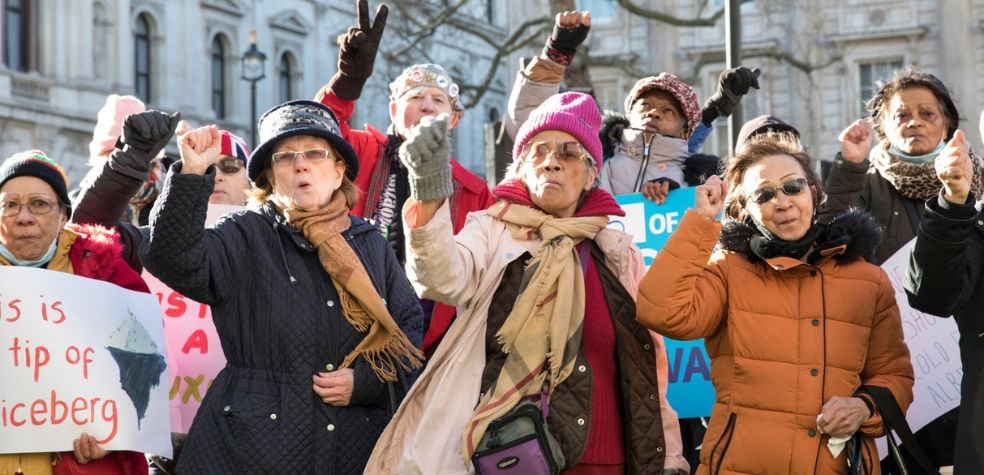
The State Pension is an essential source of income for millions of older people. But pensioner poverty still exists and too many older people are worrying about whether they can afford essentials such as food, heating and other household bills.
The Government has now announced plans to change the triple lock from 2030. We're looking carefully at what the proposals could mean for current and future pensioners, particularly those who rely on the State Pension the most.
What is the triple lock?
The triple lock is the way the State Pension is increased each year.
Each year, the Government looks at three things:
- How much prices have gone up (inflation)
- How much average wages have gone up (earnings growth)
- 2.5%
The State Pension then increases by whichever of these is highest.
For example: if prices went up by 3% and average wages went up by 4%, the State Pension would increase by 4%.
The triple lock applies to the basic State Pension and new State Pension. It does not apply to private or workplace pensions.
The Government has promised to keep the current triple lock until 2030.
What's changing?
From 2030, the State Pension will still go up every year. It will rise by at least inflation or 2.5%, whichever is higher. The new system will also make sure that, over time, the State Pension keeps up with average earnings, so pensioners continue to share in rising living standards and don’t fall behind working people over the longer term.
The details matter, so we’re taking the time to understand the plans properly before deciding what we think of them.
Why does the triple lock matter?
For many older people, knowing that the State Pension will keep going up provides vital peace of mind. The triple lock has helped protect pensioners when prices have risen and has helped make sure the State Pension doesn’t lose its value over time. But ultimately, what matters most isn’t the name of the system. It’s whether older people have enough money to live on.
Pensioner poverty remains a serious problem, and many older people are having to make difficult choices about essentials such as heating, food and other household bills. For people living on a low, fixed income, there may be very little scope to increase the money they have coming in, which can make their financial situation especially frightening.
By 2030, we need to be confident that people who depend on the State Pension can afford a decent standard of living and that those on the lowest incomes aren’t left behind.
What about social care?
The Government has also made a major commitment to reform social care. This is hugely welcome. For far too long, older and disabled people and their families have struggled with a care system that simply isn’t working well enough.
But older people shouldn’t have to choose between good social care and a decent income. They need both. That’s why we’ll be looking at these plans as a whole and asking whether they give older people the security they need in later life.
What will Age UK do now?
We’re going to look carefully at the Government’s plans and what they could mean for older people now and in the future.
Our biggest concern will be older people on the lowest incomes. Too many are already struggling, and pensioner poverty hasn’t gone away.
We’ll be pushing the Government to make sure:
- The State Pension gives people enough to live on
- It continues to keep up with the cost of living
- People on the lowest incomes aren’t left behind
- Older people get all the financial help they’re entitled to
- Everyone can get good quality social care when they need it.
As Caroline Abrahams CBE, Charity Director at Age UK, said: “Protecting those older people who are vulnerable, or on the lowest incomes, should be the ultimate test of this Government's reforms. It can't be social care or financial security. In a civilised society it must be both.”
Our campaigns
Help us make sure older people's voices are heard.
Sign up for campaign updates
Hear about our latest campaigns, opportunities to take action and how you can help us stand up for the issues that matter to older people.
Worried about money?
If you're struggling to make ends meet or worried about the cost of essentials, you're not alone. Age UK has information and advice that can help.
Find out about benefits and financial support you may be entitled to, help with energy bills and other ways to manage rising costs.