

Dating in later life
Relationships in later life are as diverse as the people in them. But whether you’ve been married for years or you’re exploring dating for the first time, there are things you might need to consider.
Changing relationships
There are lots of reasons why the dynamics of your relationships might shift later in life.
Your relationship might end
Sometimes relationships end in later life. This may be because of divorce or separation, or it may be because your partner has died.
The death of someone close to you can be one of the hardest things you ever go through. It can take a long time to come to terms with what’s happened – as well as your feelings about it.
If you experience a bereavement or a relationship ends in later life, you may have complicated feelings about whether you’d like to have another relationship. It may be useful to speak to a professional about these feelings. It’s important to remember that your feelings of grief aren’t any less real if you do decide you’d like to enter into a new relationship.
See more information about dealing with bereavement
Your relationship might also end due to divorce or separation, which you may see as a relief or as a feeling of loss.
Dealing with the end of a relationship can be difficult, but talking to loved ones about your feelings can help. You can also reach out to a professional for support. There’s no shame in wanting some extra help.
> See more information about adjusting to living alone
If you decide to enter a new relationship or remarry, it's important to understand how this could affect your finances and your will.
> See more information on financial and legal tips before remarrying
Your relationship might change
As you and your partner age, your relationship might change.
Sometimes, health conditions can have a major impact on how you feel and how you relate to one another.
You or your partner may have to take on caring responsibilities for one of you. This can impact your relationship dynamic.
Talking to your partner about your feelings and needs can help. If you are the carer, you can also find additional support.
Download our Advice for carers guide for practical tips on looking after yourself as a carer
New relationships
Starting a new relationship can be very exciting – but it can also bring certain challenges.
You might find it takes a while to adjust to a new person's habits and quirks. You might be happy with your life as it is, and feel less willing to compromise than you might have done in the past. It’s important to talk to your new partner and set clear boundaries.
If you’ve been in a long-term relationship or marriage before, you may find yourself comparing your new partner to your older partner.
If your previous partner died, you might feel sad or guilty about ‘moving on’ – but starting a new relationship doesn’t mean you’ve forgotten them, and it doesn’t take away anything from your love for them.
If you have a family, you might find that they have unexpected reactions to your new relationship. It’s important to give them time to adjust – and reassure them that their place in your life is just as important as before.
Online dating
Online dating is now one of the most popular ways of meeting new people.
There are lots of different dating apps and websites, some of which are more general and some which cater to specific demographics – for example, LGBT+ people, religious communities, or even for certain hobbies and interests.
To get started, you’ll need to create a profile – the website or app you choose will take you through this step by step. You’ll normally be asked to choose some pictures of yourself and to give some basic information, such as your age, your gender and where you’re based. You might like to include a little about your hobbies and interests and what kind of relationship you’re looking for.
Staying safe when you’re dating online
Scammers sometimes use dating websites or apps to gain someone’s trust then exploit them emotionally or financially.
Watch out for people who:
- avoid video calls or meeting in person
- want to move your conversation onto a different platform too quickly
- message you intensively, overwhelm you with affection, and even declare love very early on
- ask you for money.
Never send money or financial information about yourself to someone you don’t know well or haven’t met. Be cautious of sharing personal information too – for example, your address.
LGBT+
See our LGBT+ web hub for more information about dating as an older LGBT+ person.
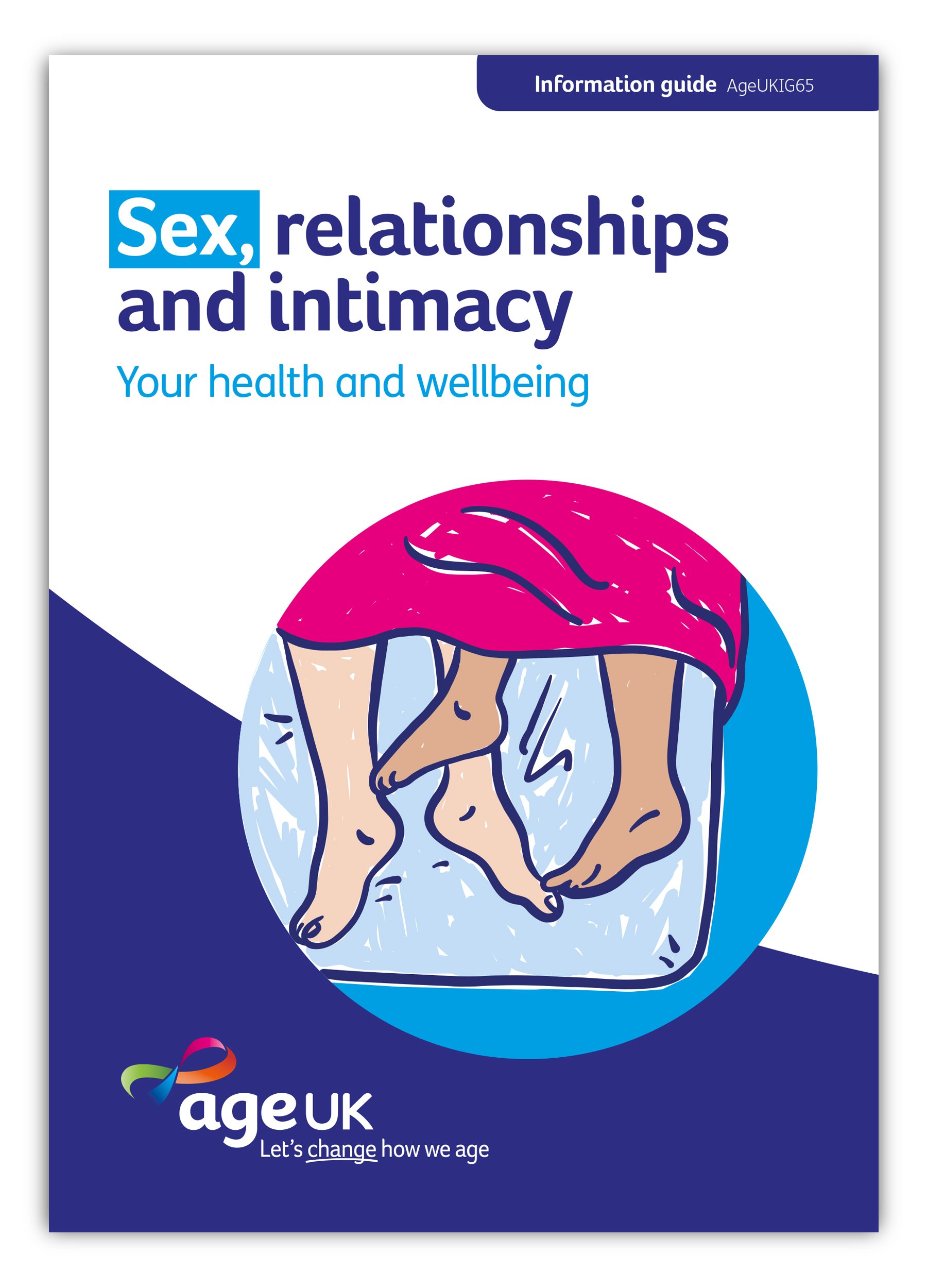
Sex, relationships and intimacy information guide
There’s a common misconception that people stop having sex when they get older. But for many older people, sex and intimacy are important parts of life. This guide is here to help you take care of your health and wellbeing in the context of sex and relationships.
We're here to help
We offer support through our free Advice Line. Lines are open 8am-7pm, 365 days a year. We also have specialist advisers at over 120 local Age UKs. You can contact us on 0800 678 1602.
We work with Wordskii to offer free interpreted calls. Visit the Wordskii website and select the language you would like to take the call in from the menu at the top right of the screen. This will tell you the best number to call.