

Malnutrition signs, causes & prevention
Malnutrition can affect health and wellbeing, increase hospital admissions, and can lead to long-term health problems...
Incontinence is a common symptom for people living with dementia. As dementia progresses, changes in the brain can affect a person’s ability to recognise bodily signals, communicate their needs and use the toilet independently – so continence care can be an important aspect of daily support.
There are lots of reasons someone with dementia might experience incontinence. Dementia can damage the part of the brain that controls the bladder and bowels, meaning that they might not understand when they need to go to the toilet, or they might not have control of their bladder or bowels.
They might also:
For more information about dementia-related incontinence, visit the Dementia UK website
Continence issues can have both physical and mental impacts on someone living with dementia.
Incontinence can lead to further health issues if it’s not managed correctly. Wet or soiled skin can cause infections or UTIs, so it’s important to ensure that skin is completely clean and dry if there’s an accident.
It can also bring up feelings of embarrassment or shame. The person might also feel a sense of distress or confusion about what’s happening.
Helping someone living with dementia, experiencing incontinence, to maintain their dignity is an important part of care. This might include:
Supporting someone with dementia and incontinence means thinking about their emotional needs as well as their physical ones. Here are a few ways you can help.
Establishing a routine which includes going to the toilet at regular times can help someone feel more secure. It means they don’t have to rely on understanding when they need to use the toilet themselves.
Make sure that the person can get to the toilet as easily as possible. This might include getting them a walking aid or stairlift. Freestanding or wall-mounted grab rails can make it easier to get on and off the toilet too. Adding a raised seat to the toilet can make it easier to sit down. Some people experiencing dementia may find this equipment disorienting or confusing, so seek professional help before installing anything.
Someone with dementia might struggle with undoing buttons or zippers in time. Choosing clothes that can be removed quickly and easily can help.
Treatment doesn’t always stop incontinence completely – but the right products can help manage the problem and reduce its impact on day-to-day life.
The NHS prescribes some continence products for people who meet specific criteria. There’s also a range of continence products available in supermarkets and pharmacies.
Contact your local integrated care board (ICB) for more information about who is eligible
It’s important that the person’s healthcare professional is involved in the conversation before they rely on products permanently. It’s important to identify if there are any other underlying problems, as there may be treatments that can help.
It’s important that someone experiencing dementia and incontinence eats a healthy diet and drinks plenty of fluids.
It’s worth being aware that tea, coffee and fizzy drinks can make bladder symptoms worse – as can alcoholic drinks or drinks with artificial sweeteners. Water and squash can be better options for staying hydrated.
We offer support through our free Advice Line. Lines are open 8am-7pm, 365 days a year. We also have specialist advisers at over 120 local Age UKs. You can contact us on 0800 678 1602.
We work with Wordskii to offer free interpreted calls. Visit the Wordskii website and select the language you would like to take the call in from the menu at the top right of the screen. This will tell you the best number to call.
Malnutrition can affect health and wellbeing, increase hospital admissions, and can lead to long-term health problems...
Hearing loss affects 1 in 5 adults in the UK. See our information on common hearing problems and hearing aids.
It’s not always easy to speak about bladder and bowel problems, but they can really impact your day-to-day life, so...
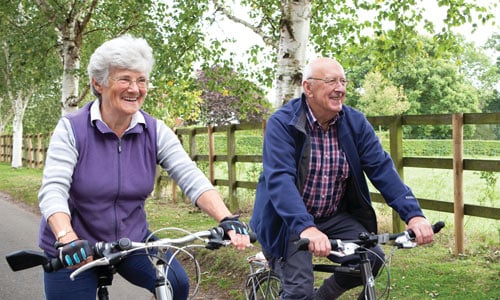
If someone you love is struggling to be active, find out how you can support them to get moving again.
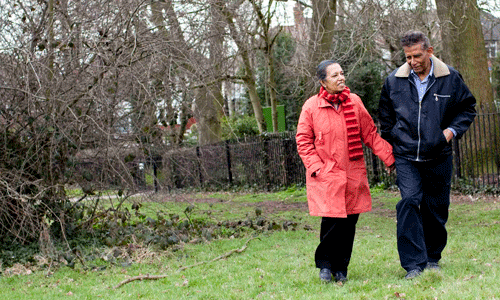
When you find exercise difficult or aren't sure how to be more active, walking is a great activity.
With the costs of living rising, many of us are making changes to try to save money. But some of these changes could...